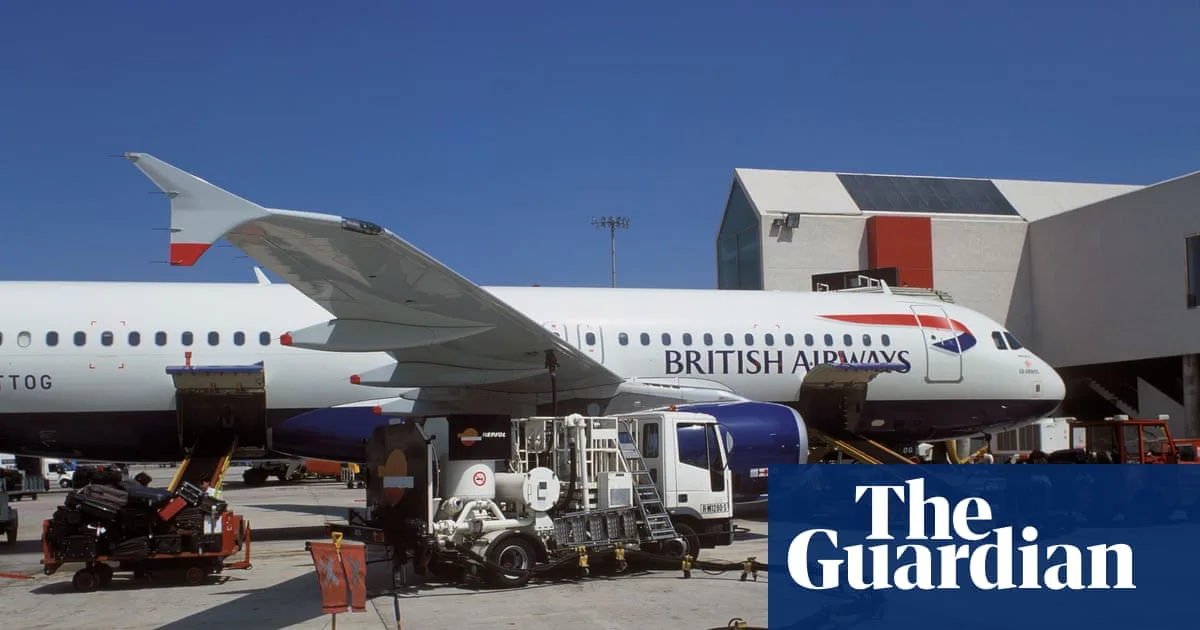
Europe is facing a jet fuel shortage within weeks, with just six weeks of supplies remaining owing to the ongoing war between the US and Israel against Iran, according to the head of the International Energy Agency (IEA). Fatih Birol warned that flight cancellations would occur “soon” if oil supplies from the Middle East are not restored.
Birol told the Associated Press: “I can tell you soon we will hear the news that some of the flights from city A to city B might be cancelled as a result of lack of jet fuel.” His remarks come after KLM, part of the Air France-KLM group, announced it would cut 160 flights in the coming month because of high kerosene prices. The airline stated that these routes were no longer financially viable but stressed there was no kerosene shortage.
The conflict, which began with strikes at the end of February, has caused turmoil in global energy markets. Iran has effectively closed the Strait of Hormuz, a vital export route for Gulf oil. Although a two-week ceasefire was agreed last week, talks to end the war collapsed over the weekend, with indirect negotiations brokered by Pakistan continuing.
Brent crude oil prices remain more than 30% higher than pre-war levels. While outright shortages have not yet materialised because shipments that set off before the war continued to arrive, those final cargoes have now reached Europe. Birol said Europe has “maybe six weeks or so [of] jet fuel left”, echoing a warning from Airports Council International Europe, which last week told EU commissioners the bloc was three weeks away from shortages.
Airports and airlines typically hold about six weeks of fuel supplies, but the prolonged conflict is depleting reserves, and alternative suppliers cannot replace Gulf shipments. Birol described the situation as a “dire strait” with major implications for the global economy. Higher petrol, gas, and electricity prices are expected, hitting some regions harder than others.
Some airlines have cancelled loss-making flights due to fuel costs, even those with hedging arrangements. Air France-KLM, which hedged 87% of its fuel exposure, still cut services on busy routes from Amsterdam to London and Düsseldorf. Meanwhile, easyJet’s chief executive said the airline has “visibility to the middle of May and we have no concerns”.