
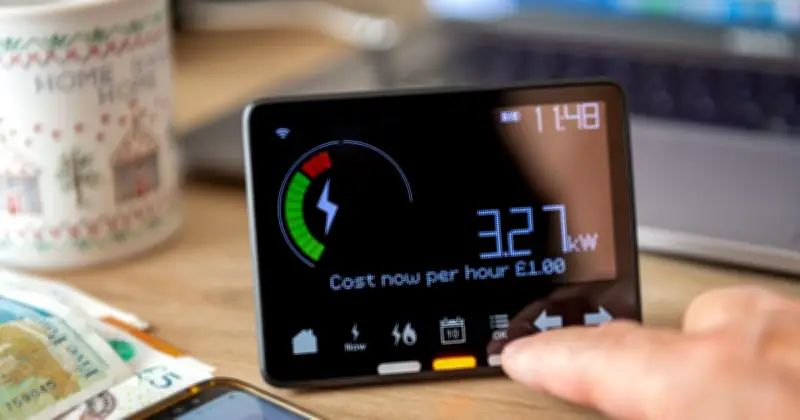
Energy bills will rise by 26% for millions of households in January, with typical annual costs set to reach £2,166 for those paying by Direct Debit, following Ofgem's latest price cap announcement.
The increase is attributed to surging oil and gas prices linked to conflict in the Middle East, which have pushed wholesale gas costs up by 33% over the last three months—the period used to set the January to March cap.
Ofgem Blames Middle East Conflict
Neil Kenward, director general for markets at Ofgem, said: "Conflict in the Middle East continues to drive energy costs higher, and we know this price increase will be a worry for many households as winter approaches."
The rise is the largest since Russia's invasion of Ukraine and comes at a time of peak seasonal demand. Around 20 million households on standard variable tariffs will be affected, while 10 million on fixed deals remain protected until their contracts end.
Government Rebate Falls Short
The price jump follows a 4% increase in October and coincides with the Government's £100 cash payments toward energy bills, which councils will begin distributing automatically to 13 million households in council tax bands A to D from January 4.
Researchers at the Resolution Foundation warn that a typical household will pay £62 a week for energy from January, meaning the £100 rebate will only cover the first 11 days of the year.
Simon Francis, coordinator of the End Fuel Poverty Coalition, warned the soaring bills "equals cold homes" for millions of people, "mounting debt and having to make impossible choices".
He added: "It means parents going without so their children can stay warm, people who rely on medical equipment rationing their electricity and households on prepayment meters left with no heat at all once their credit runs out. These are the conditions that fill A&E departments every winter."
Low Gas Reserves Add Pressure
Additional concerns surround Britain's dwindling gas reserves, which fell to just 9.7 terawatt-hours (TWh) by Sunday, according to analysts at Argus—the lowest level for this time of year since at least 2011 and equivalent to under four days of average national consumption.




