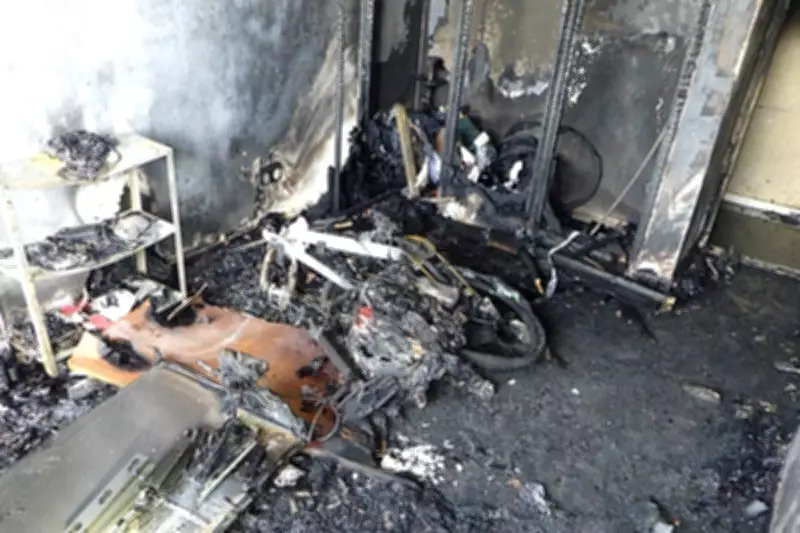
A "worrying" surge in fires caused by exploding lithium-ion batteries has led to fire brigades across the UK tackling such incidents once every five hours. The rise in these fires, frequently linked to e-bikes, has raised concerns that current regulations are insufficient as the use of electric cars, e-bikes, and battery scooters continues to grow.
Rapid Increase in Lithium-Ion Fires
Figures obtained via a Freedom of Information (FOI) request by insurance company QBE reveal a dramatic uptick in lithium-ion battery fires. The number of incidents rose from 713 in 2022 to 1,760 in 2025, a 147% increase. This means fire crews were tackling these fires almost five times a day last year.
E-bikes were identified as the primary source of lithium-ion battery fires. In 2025, 520 fires were linked to e-bikes, triple the number recorded just three years earlier. Of these, 44% were handled by the London Fire Brigade, with 230 e-bike fires occurring in the capital alone. QBE noted that where fire brigades recorded this information, converted or retrofitted e-bikes were involved more frequently than officially manufactured models.

Electric Vehicle Fires Also Rising
The data showed that fires involving electric vehicles (EVs) increased by 133%, from 120 incidents in 2022 to 279 in 2025. However, this increase is relatively low compared to the overall growth in EV numbers, which tripled over the same period, from 664,148 EVs on UK roads in 2022 to 1,971,764 in 2025.
Fire brigade data revealed that almost half (46%) of lithium-ion battery fires occurred in people’s homes, while 31% happened outdoors and 23% were recorded in commercial premises.
Common Devices and Thermal Runaway
In addition to bikes, cars, and scooters, lithium-ion batteries are widely used in electronic devices such as smartphones, laptops, and tablets. The average UK household contains 15–25 lithium-ion batteries. QBE stated, "Notably, 45% of fire incidents involving lithium-ion batteries occurred on devices such as mobile phones, tablets, power packs, and other battery-powered equipment."
Fires caused by lithium-ion batteries often result from a process called "thermal runaway," where the battery irreversibly overheats. This can be triggered by overcharging, exposure to high temperatures, or impact damage.
Fire Brigade Concerns and Call for Regulation
London Fire Brigade's deputy commissioner for prevention, protection, and operational policy, Spencer Sutcliff, expressed deep concern: "We are extremely concerned around the issue of e-bike and e-scooter fires and the devastating impact these fires can have on lives and livelihoods. Last year, we attended a record number of fires, and our firefighters continue to be called out to a worrying amount of incidents involving e-bike and e-scooter batteries this year. Public awareness is vital, and a collective effort is required by all relevant organisations to ensure people understand the risks we know exist and what they can do to help prevent fires or serious harm from them."
Sutcliff emphasised that regulation can improve product safety and reduce the sale of faulty or counterfeit products, particularly e-bike batteries, chargers, and conversion kits. He welcomed the Department for Business & Trade's consultation under the Product Regulation and Metrology Act.
Expert Advice on Safety
Adrian Simmonds, Risk Manager at QBE Insurance, said: "It’s vital that people and businesses take action to better manage this growing risk. Thermal runaway caused by these types of batteries burns differently, takes much longer to tackle, and can require up to 10 times more water to contain. Awareness of safe charging, storage, and disposal is essential to keeping people and property safe."
He added: "People should use only certified e-bikes and batteries, charge them away from escape routes, and avoid charging items overnight. The statistics suggest retrofitted bikes are more prone to these incidents, so we would encourage people to stick to reputable companies when purchasing and avoid unregulated devices."
QBE's FOI request received data from 42 of the UK's 49 fire services, highlighting the widespread nature of the issue.