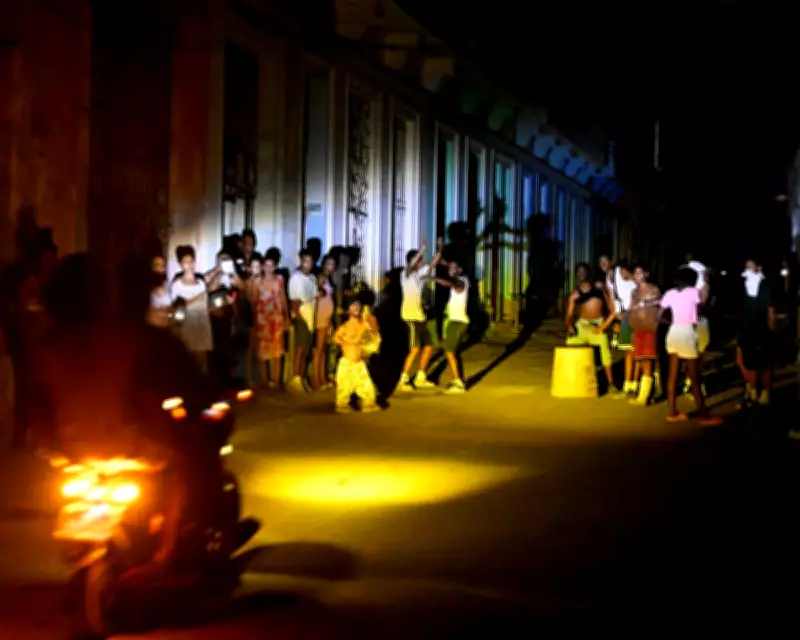
Cuba's National Electric Grid Collapses in Third Major Blackout This Month
Cuba's power grid suffered a catastrophic collapse on Saturday, plunging the entire island into darkness and leaving approximately 10 million people without electricity. This marks the third nationwide blackout in March alone, as the communist government grapples with a decaying infrastructure and a stringent US-imposed oil blockade that has exacerbated fuel shortages.
Immediate Causes and Government Response
The Cuban Electric Union, which operates under the Ministry of Energy and Mines, initially announced a total blackout without specifying a cause. Later, authorities attributed the outage to an unexpected failure of a generating unit at the Nuevitas thermoelectric plant in Camagüey province. This triggered a cascading effect across the network, disrupting all online machines.
In response, the Ministry of Energy and Mines activated micro-islands of generating units to provide limited power to critical centres, including hospitals and water systems. Officials confirmed they are actively working to restore full electricity, but the situation remains precarious.

Underlying Issues and Daily Disruptions
Power outages have become increasingly common in Cuba over the past two years, driven by breakdowns in the ageing grid. These are compounded by daily blackouts lasting up to 12 hours, caused by severe fuel shortages that destabilise the entire system. The most recent nationwide blackout occurred just days earlier on Monday, highlighting the frequency and severity of these crises.
The blackouts severely disrupt daily life, leading to:
- Reduced working hours and economic productivity.
- Difficulties in cooking and refrigerating food, impacting nutrition.
- Cancellation of surgical operations in hospitals, endangering public health.
Political and Economic Context
President Miguel Díaz-Canel has revealed that Cuba has not received oil from foreign suppliers for three months, with the island producing only 40% of the fuel needed to power its economy. The government blames the outages partly on a US energy blockade, intensified under former President Donald Trump, who warned of tariffs on countries selling oil to Cuba.
Trump's administration has demanded Cuba release political prisoners and liberalise its politics and economy in exchange for lifting sanctions, even suggesting a friendly takeover of Cuba. Additionally, the removal of Venezuela's leader halted critical petroleum shipments from a key ally, further straining Cuba's oil supply.
Trump has repeatedly claimed Cuba's government is near collapse, stating after a previous grid failure that he anticipated the honour of taking Cuba. This geopolitical tension adds to the challenges facing Cuba's energy sector.
Long-Term Implications
Cuba's ageing power grid has drastically eroded in recent years, and without significant investment and relief from sanctions, such blackouts may persist. The combination of infrastructure decay, fuel shortages, and international pressures creates a volatile environment that threatens both daily life and broader economic stability on the island.