

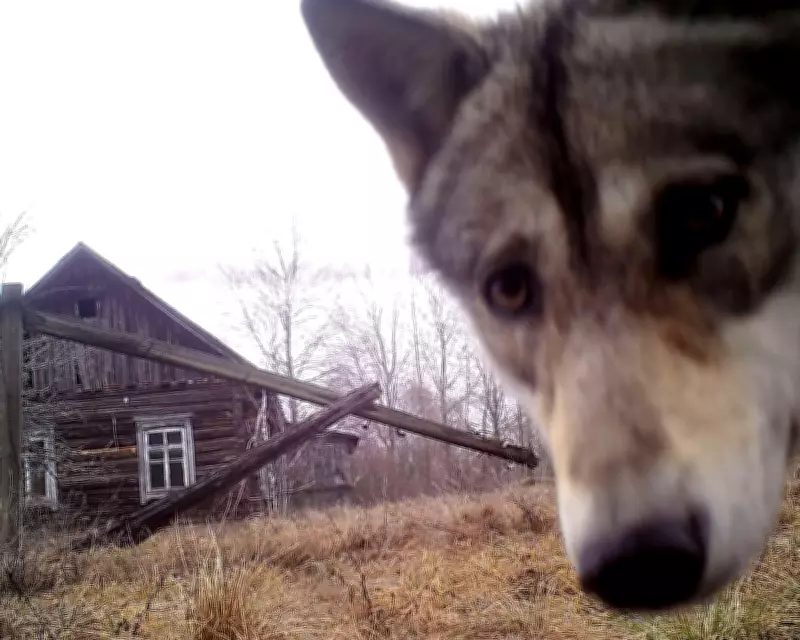
Forty years after the world's worst nuclear disaster, the Chornobyl exclusion zone remains heavily contaminated with caesium-137, plutonium, and other radioactive elements. Yet, paradoxically, the area has become a haven for wildlife, with wolf populations now seven times higher than before the 1986 accident.
A Complex Legacy
The anniversary of the Chornobyl disaster, marked on Sunday, coincides with renewed global interest in nuclear power, driven by energy security concerns and conflicts in the Middle East and Ukraine. The ongoing war in Ukraine has further threatened the site, with a Russian drone strike last month damaging the giant containment structure, requiring €500 million in repairs.
Inside the containment, an estimated four tonnes of radioactive dust and debris remain from the explosion of Unit 4 reactor on 26 April 1986, which led to the largest release of radioactivity in nuclear history and contributed to the Soviet Union's collapse.

Human Cost and Evacuation
Over 300,000 people were evacuated from a 4,200 sq km area spanning Ukraine and Belarus. The official death toll stands at approximately 30, primarily firefighters and plant workers, though independent estimates range from 4,000 to 16,000 cancer deaths. The National Academy of Medical Sciences of Ukraine will release a new assessment this week, with its 2022 report recognising 41,000 fatalities.
Wildlife Resurgence
Despite ongoing contamination, the exclusion of humans has allowed ecosystems to flourish. Jim Smith, an environmental scientist at the University of Portsmouth, notes that wolf populations are seven times higher than pre-accident levels due to reduced human pressure. Elk, roe deer, and rabbit populations have also increased. Similar trends are observed in Fukushima's evacuation zone and the Korean Demilitarized Zone, where endangered species thrive.
Smith, once a nuclear opponent, now cautiously supports nuclear power, arguing its risks to human health and climate are lower than fossil fuels. He estimates about 15,000 extra cancer deaths in Europe from Chornobyl but notes this is dwarfed by air pollution deaths.
Controversies and Political Implications
The long-term genetic effects on wildlife remain debated. Some studies report reduced reproductive success in barn swallows and great tits due to radiation-induced oxidative stress. However, Gennady Laptev of the Ukrainian Hydrometeorological Centre observes no visual mutations and suggests abundant wildlife indicates ecosystem health.
The political stakes are high. The Trump administration seeks to weaken safety regulations for suburban nuclear plants, while European Commission President Ursula von der Leyen calls the shift away from nuclear a 'strategic mistake' amid rising oil prices. Anti-nuclear campaigners, like Shaun Burnie of Greenpeace Ukraine, argue that risks remain too great and that nuclear power is uncompetitive compared to renewables.
Burnie warns that deliberate Russian attacks on Chornobyl could increase radioactivity risks. He criticises the nuclear industry for using crises to revive its fortunes, noting that nuclear power produces less than 10% of global electricity after decades of subsidies.
The debate continues as the world grapples with energy security, climate change, and the enduring legacy of Chornobyl.






