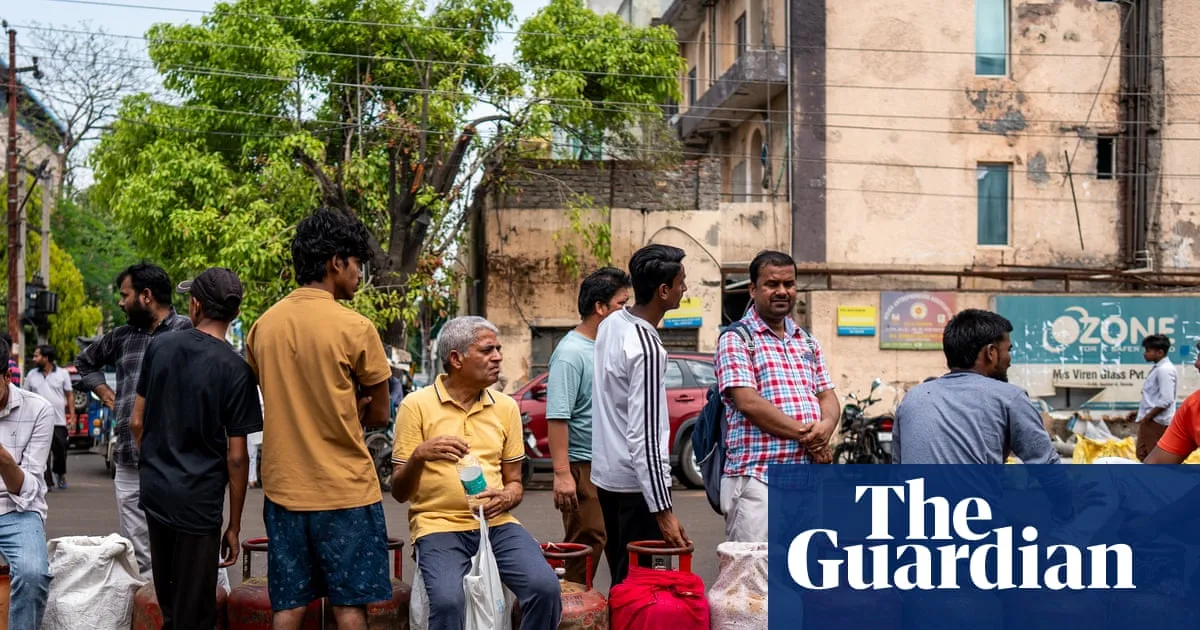
Bangladesh is among the Asian nations hit hardest by the global energy crisis triggered by the closure of the Strait of Hormuz, a vital shipping route for oil and gas, following the US-led war against Iran. Shrinking fuel stocks and soaring prices have forced the country to increase electricity output from coal, the dirtiest fossil fuel, as emergency measures take hold worldwide.
The crisis has prompted governments across Asia to turn to coal. India has ordered coal-fired power plants to run at full capacity and avoid planned outages, while Japan is allowing less-efficient coal plants back onto the electricity market. South Korea has lifted caps on electricity from coal and delayed its planned phaseout. Bangladesh, Thailand and the Philippines are also ramping up coal-powered generation to compensate for the fuel shortfall.
The International Energy Agency (IEA) has called for demand-side measures such as flying less and driving slower, and warned against blanket subsidies. However, many countries have been reluctant to impose hard measures. Slovenia has begun rationing fuel at the pump, and Lithuania has halved domestic train ticket prices for two months. The UK has limited its action to financial support for households using oil for heating, while Australia introduced a 50% cut to fuel excise for three months.
The EU has called for a faster shift to clean energy, but some member states are slowing down. Italy delayed its coal phaseout by over a decade, and Germany mooted keeping coal plants online longer. The European Commission proposed weakening its flagship carbon price and mandating lower taxes on electricity than fossil fuels to reduce reliance on imports.