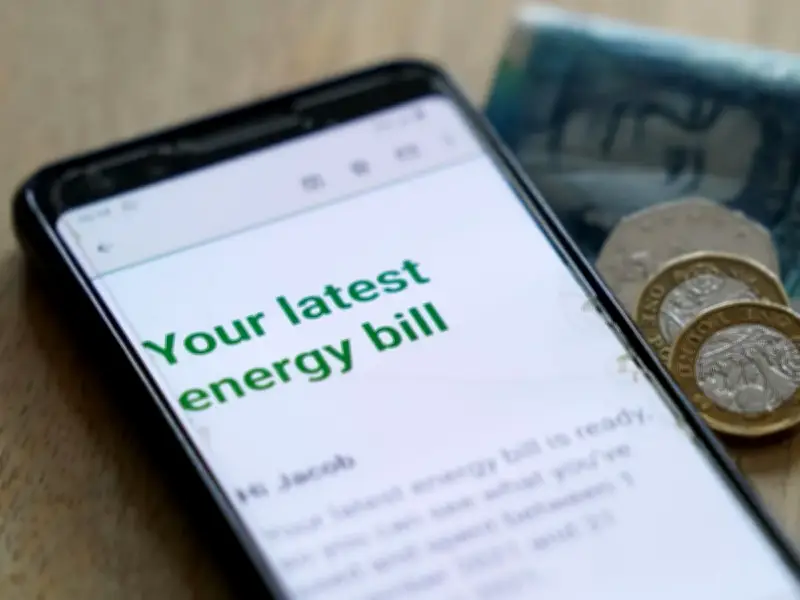
The Government has confirmed that 20 million households in England will receive a one-off £100 payment towards their energy bills from January, as families prepare for another significant increase in the cost of heating their homes.
Local authorities will begin distributing the payments from January 4, with up to 20 million households living in Council Tax Bands A to D eligible for the support.
Payment distribution and eligibility
Around 13 million households that pay their Council Tax by direct debit will receive the £100 automatically into their bank accounts. Councils will use the bank details they already hold to make the payments.
The remaining seven million households who do not pay by direct debit will be contacted by their local authority and asked whether they would prefer a bank transfer or to have the money credited to their Council Tax account. The scheme will remain open until the end of May.
Households in Scotland and Wales will also receive one-off £100 energy payments, with their devolved governments having received funding to establish similar schemes.
Discretionary fund for vulnerable households
Councils will additionally have access to a separate £100 million Discretionary Fund to help vulnerable households who may not qualify for the main payment but are still struggling financially. Local authorities are being given guidance on how to distribute the additional funding.
The energy support announcement comes as the Government faces growing pressure to do more to ease the cost of living. Energy analysts forecast that the price cap could rise by 26% from January 1, taking the annual bill for a typical household to £2,166, an increase of around £443 a year. Ofgem is expected to confirm the new price cap for the first quarter of next year on Wednesday.
Personal Allowance petition response
More than 72,000 people have signed a petition calling for the Personal Allowance, the amount people can earn before paying income tax, to increase from £12,570 to £20,000. The petition, launched in May, argues that freezing the threshold while living costs continue to rise means workers are effectively paying more tax as their wages increase.
HM Treasury issued a response on Monday, November 23, confirming that the Government has no plans to increase the Personal Allowance to £20,000. It said: "The Government is providing breathing space to families and keeping taxes on working people as low as possible. This needs fiscal discipline, so we will not increase the Personal Allowance to £20,000."
The Government also confirmed that income tax thresholds, including the Personal Allowance, will remain frozen until April 2031. The previous Government had frozen the thresholds until 2027/28, but Budget 2025 extended the freeze by a further three years.
Explaining the decision, the Treasury said increasing the Personal Allowance to £20,000 would cost more than £50 billion annually. It also argued that higher earners would benefit more from the change on average than basic-rate taxpayers. The Treasury said: "This substantial reduction in tax receipts would decrease funds available for the UK's hospitals, schools, and other essential public services that we all rely on."
In its response, the Government also highlighted other measures intended to support households, including extending the fuel duty freeze, abolishing gas standing charges, extending parental pay and introducing the £100 energy payment. It also pointed to the Warm Home Discount, which helps around six million households receiving means-tested benefits with their energy costs, as well as its Home Energy Advice website, offering guidance on reducing bills and accessing further financial support.
Chancellor John Healey said: "Families are worried about energy bills rising again this winter. Whilst we can't control movements in global energy markets, we're doing what we can to protect household finances and give families some breathing space. That's why 20 million households will receive £100 from January. Today we're setting out how money will be paid to families straight into their bank accounts."
The announcements come as millions of households face continued financial pressure, with energy bills expected to rise while income tax thresholds remain frozen. Although the £100 payment will offer some welcome assistance, many families may still face significantly higher costs in the months ahead.