

Workplace Bullying Remains Rampant in 2026: A Persistent Cultural Scourge
In a stark revelation for modern workplaces, bullying continues not only to survive but to thrive in 2026, defying decades of efforts to eradicate it from professional environments. From the culinary world to global politics, toxic behaviour persists, raising urgent questions about why organisations still rely on intimidation to drive productivity.
The Culinary Spotlight: René Redzepi's Fall from Grace
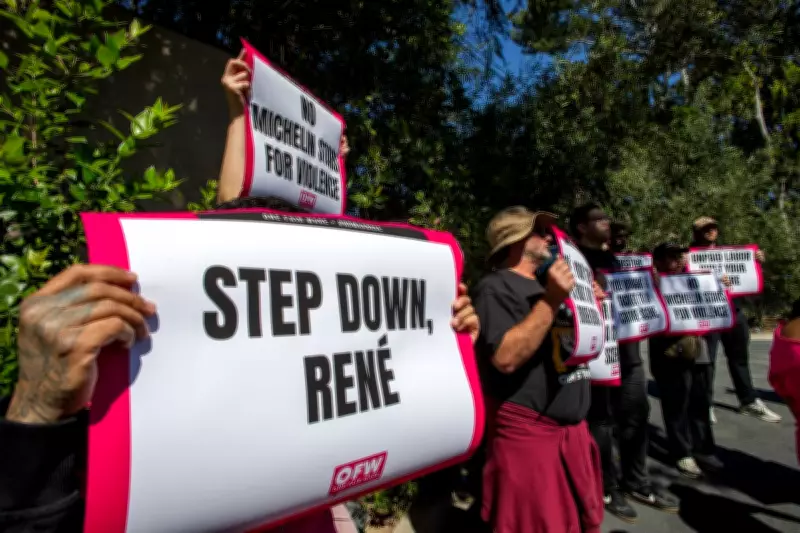
The recent scrutiny of world-renowned chef René Redzepi has brought workplace abuse into sharp focus. Redzepi, who previously acknowledged his bullying tendencies in 2015 and sought therapy, faced renewed allegations that ultimately led him to step down from his planned Noma pop-up in Los Angeles. This incident echoes themes from the film The Menu, where a chef's destructive behaviour mirrors real-world hospitality industry patterns.
Hospitality Action's annual wellbeing survey reveals disturbing trends: nearly half of industry respondents, including owners and managers, view burnout as "part of the job," with this figure rising to 62% among junior employees. This normalisation of suffering highlights systemic issues that extend far beyond restaurant kitchens.

Beyond Hospitality: Systemic Bullying Across Sectors
While hospitality faces particular challenges, bullying permeates virtually every UK industry. Despite widespread anti-bullying policies, unreasonable expectations, abusive power dynamics, and unpleasant behaviour continue simmering beneath the surface. Human resources departments often prioritise corporate protection over employee welfare, leaving victims to navigate bullying's daily impacts alone.
In today's fragile employment landscape, where even traditionally stable careers face uncertainty, those in authority wield disproportionate control over both workplace happiness and basic livelihood security. This power imbalance enables bullying to flourish, particularly in high-pressure fields like finance and law, where young professionals face hazing through unmanageable workloads and expected overtime.
The Political Dimension: Trump's Global Bullying Legacy
The phenomenon reaches its apex in political spheres, particularly through Donald Trump's influence during his second presidential term. Trump has demonstrated how bullying operates on a global stage, cowing international leaders and media into compliance through fear of his unpredictable actions. His administration's policies—from retaliatory tariffs to illegal deportations—exemplify institutionalised bullying that targets vulnerable groups like refugees, migrants, Muslims, and transgender individuals as political distractions.
Remarkably, Trump has faced no impeachment proceedings since 2021, despite escalating behaviour that includes influencing national security departments and redacting sensitive documents like the Epstein files. This impunity underscores how power protects bullies, allowing them to operate without meaningful accountability.
Why Bullying Persists: Fear as a Productivity Tool
A fundamental question remains: why do certain individuals and organisations believe that being awful to employees yields the best results? This approach may represent a modern evolution of historical exploitation methods—from whipping horses to running workhouses—where fear maximises productivity while suppressing wages. The Epstein files revelation that senior figures disregard basic professionalism, treating staff as mere output sources, illustrates this mentality among economic elites.
Inciting fear culture has long been justified as extracting peak performance, exemplified by figures like Paul Dacre at the Daily Mail. The logic suggests that terrified employees will work harder, anticipating criticism and preemptively addressing potential shortcomings. Yet this strategy ultimately damages organisational health and individual wellbeing.

Pathways Forward: Recognition and Resistance
Redzepi's acknowledgment of his faults deserves credit, and his employees' recent recognition and justice represent hard-won victories. However, the broader prospect of enduring another generation of workplace bullying appears dim. As activists and workers continue gathering—like those protesting Redzepi's $1,500-per-seat pop-up—the push for change gains momentum.
Bullying remains fundamentally pathetic, an act of weakness rather than strength. Yet its persistence in 2026 workplaces demands systemic solutions that address power imbalances, strengthen accountability, and redefine productivity beyond fear-based motivation. The alternative—continuing current patterns—threatens to perpetuate suffering across industries and societies.





