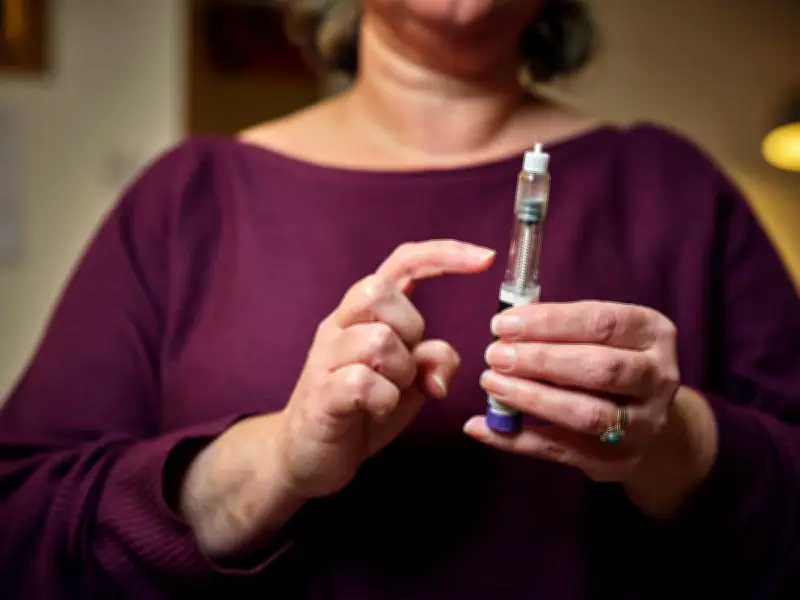
Originally designed to tackle diabetes, weight loss injections such as Wegovy and Mounjaro are now being taken by 2.4 million Brits. Experts have hailed them as a wonder drug, helping people drop as much as a fifth of their body weight – as well as offering other benefits from preventing heart attacks and cancer to tackling addiction and depression.
While the drugs, which mimic a hormone called glucagon-like peptide 1 (GLP-1) to suppress appetite, are safe for use on the NHS, side effects are still emerging. This week scientists published research suggesting a link between weight-loss jabs and hair loss, while patients regularly report issues with vomiting and diarrhea.
Malnutrition
Suddenly reducing how much you eat is a drastic change which needs to be properly managed. Earlier this year Europe’s biggest obesity conference in Istanbul issued a “consensus statement” warning that users of GLP-1 drugs will become malnourished if they continue with junk food diets, but just eat less of it. The document, co-authored by 26 top obesity experts, outlined how it is vital that jab users eat enough quality protein. Co-author Dr Laurence Dobbie, population health expert at King’s College London, said: “To protect dietary quality we need to prioritise nutrient-dense foods, ensuring appropriate protein, fibre and fluid intake.”
Hair Loss
New research published this week suggests weight loss drugs could cause your hair to fall out. People on the appetite-suppressing meds have been reporting hair loss to regulators but it was not known whether it was being caused by the drugs themselves. A study of 50,000 users of weight loss jabs, such as Wegovy and Mounjaro, appears to confirm a link between them and a rare side effect of alopecia. Although the overall risk is low, analysis of electronic patient data from the US showed patients on weight loss drugs were 68% more likely to report hair loss than comparable patients on different diabetes medications. Experts believe it could be caused by sudden drops in calorie intake and nutrient deficiencies. The US Food and Drug Administration is now investigating the possible side effect.
Tummy Troubles
The most commonly reported side effects of weight loss injections are nausea and vomiting. Other issues are diarrhea and constipation while some users report stomach cramps, indigestion and bloating. The NHS advises drinking plenty of fluids - 2-3 litres daily - to stay hydrated if you experience diarrhea. While for many these side effects can be relatively minor, for some they are bad enough that they have to stop taking the medication. Rare but severe side effects reported include people needing to have their gallbladders removed and acute pancreatitis which can be fatal.
Wrinkles
Losing a lot of weight can lead to one obvious side effect - excess skin. While this is often considered a price worth paying for the wider health benefits of weight loss, it had led to reports of “Ozempic face”, “Ozempic feet” and even “Ozempic butt”. This has been highlighted among celebrities who have been open about taking the medication and refers to a sagging or aging of the skin. Sharon Osbourne has spoken about using Ozempic for weight loss and said she started taking the injections in late 2022 but stopped more recently. Ozempic face refers to a sunken or hollowed out appearance the face can take on after drastic weight loss. It can also increase signs of ageing including lines and wrinkles. This happens because GLP-1 drugs are not localised to act only on the fat people want to lose. It targets all of our body’s fat – including in the face. Dr Barry Weintraub, a New York-based board certified plastic surgeon, has spoken about how a loss of fat can impact water retention in the body and cause excessive sagging in the feet.
Bad Breath
Bad breath - known officially as halitosis - is a reported side effect of weight loss jabs but there is not yet peer-reviewed data on this. Some experts suspect that reduced appetite means people drink less water contributing to dry mouth. This can lead to an overgrowth of bacteria such as Streptococcus, Lactobacillus and Porphyromonas gingivalis which can contribute to odours. In one study run by Novo Nordisk nearly 9% of people taking semaglutide - the main component of Ozempic and Wegovy - reported increased burping.
Tooth Damage
One of the major side-effects of Ozempic is vomiting. Adam Taylor, professor of anatomy at Lancaster University, has explained how these drugs slow how quickly the stomach empties, delaying digestion which can lead to bloating, nausea and vomiting. Repeated vomiting can damage the teeth because stomach acid erodes the enamel of the teeth. This damage is permanent. Professor Taylor recommends that if users get sick, not to immediately brush their teeth. Instead he advises people to rinse the mouth out with water or mouthwash to reduce the strength of the acid and wait at least 30 minutes before brushing.
Pile the Pounds Back On
Oxford University scientists established that people generally pile the pounds back on within a year of stopping weight loss jabs. They analysed 11 studies involving 6,370 adults on the appetite-suppressing injections and found they typically lost 8kg - but returned to their original weight within 10 months of stopping. It suggested that many users need to be on the powerful drugs for life. Many patients give up the treatment either because they can no longer afford the private prescriptions, because they decide the side effects such as vomiting are too much, or they are not losing weight anymore. Co-author Prof Susan Jebb, of Oxford University, said: “Either people really have to accept this as a treatment for life, you’re going to have to keep going forever, or we in science need to think really, really hard, how to support people when they stop the drug.”
Bone and Muscle Mass
Almost a third of pounds shed from weight loss jabs is actually muscle and bone density. Scientists who uncovered this research have stressed that it is vital people change their lives and do exercise while losing weight on the jabs to sustain it in the long term. Their review of 21 studies included data from high tech scanners which assessed where weight was being lost from on the body. It showed that of the weight lost after taking jabs, 31.5% of it was “fat free mass” such as muscle and bone density. This compared to 14.3% for people who lost weight through diet and exercise alone. Other studies have shown that if people stop taking the drugs they pile the fat back on - but the muscle and bone mass is lost for good. This makes it much harder to lose weight again because there is less muscle to burn calories. It also increases the chances of osteoporosis and frailty in old age. The secret, it seems, is to do weight bearing exercises while taking GLP-1 drugs. This could involve press-ups, pull-ups, squats or lifting weights. Dr Laurence Dobbie said: “The primary, most crucial component is resistance training, aiming for two to three bouts per week. Secondary to this is 150 to 300 minutes a week of aerobic exercise… all movement is beneficial.”
What does the NHS say?
The NHS stresses that you'll need to eat a balanced diet with fewer calories and do regular physical activity while taking weight loss drugs. All GLP-1 medicines are prescription only medicines, which means they can only be prescribed by a healthcare professional. They should come with personalised behavioral, nutritional, and psychological support including diet and exercise plans. However the quality of this accompanying support service can vary and this can be the difference between sustained weight loss or eventually piling it back on. Fake GLP-1 drugs bought from unregulated sellers - such as beauty salons or via social media - have caused severe side effects. Health chiefs insist none should be purchased with a consultation with a healthcare professional. An estimated 2.4 million Brits are taking weight-loss jabs but the vast majority are having to pay privately for them because the NHS does not yet have the resources to offer them to everyone who is technically eligible. The NHS prescribes the weekly injections Mounjaro and Wegovy for weight loss but Ozempic only for diabetes. NHS chiefs say they are prioritising prescriptions for the most in need, so are offering them to the severely obese who also suffer from a range of other health problems. The rollout of Mounjaro was announced by NHS England with much fanfare in 2024 but an investigation by the British Medical Journal (BMJ) a year later revealed how the jabs were being rationed. Some 3.4 million people are technically eligible for the jabs but the NHS planned a phased rollout over a 12-year period. Health Minister Sharon Hodgson said: “Weight loss drugs are proving to be a game changer in tackling obesity. We are committed to ensuring the NHS makes these drugs available to those who need them most.”