

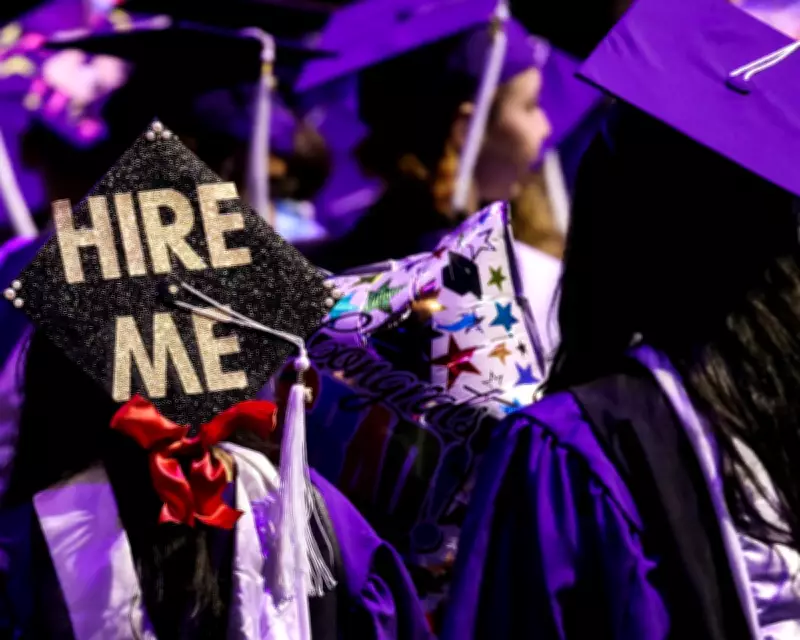
Recent graduates from universities across the United States are encountering a significantly challenging employment landscape, as detailed in a comprehensive analysis conducted by the Federal Reserve Bank of New York. The findings indicate that the entry-level job market for those completing their degrees has deteriorated to its most difficult state since the onset of the COVID-19 pandemic, presenting substantial hurdles for new entrants into the workforce.
Alarming Unemployment and Underemployment Trends
The report highlights a concerning uptick in unemployment rates among recent college graduates, which escalated to approximately 5.6% by the conclusion of the previous year. This marks a notable increase from the average rate of 5.3% observed during the third quarter, underscoring a growing trend of joblessness among this demographic. Additionally, the underemployment rate, which measures individuals working in positions that do not fully utilize their skills or education, surged to 42.5%. This figure represents the highest level recorded since 2020, signaling that a substantial portion of graduates are struggling to secure roles aligned with their qualifications.
Insights from Federal Reserve Research
The Federal Reserve Bank of New York's analysis provides a stark overview of the economic pressures facing new graduates. By examining labor market data, researchers have identified a persistent gap between the supply of educated workers and the availability of suitable entry-level positions. This mismatch has been exacerbated by ongoing economic uncertainties and shifts in industry demands, contributing to the heightened challenges in job acquisition.

Personal Experiences of Graduating Students
Amid these statistical trends, individual stories from students preparing to graduate this year reveal the human impact of this tough job market. Many report applying to dozens of positions without success, facing intense competition and lengthy hiring processes. The emotional and financial strain of prolonged job hunting is becoming a common narrative, with some graduates considering alternative paths such as further education or temporary work to bridge the gap.
Broader Implications for the Economy
The difficulties faced by college graduates have wider ramifications for the US economy. High levels of underemployment can lead to reduced productivity and lower lifetime earnings, potentially affecting consumer spending and economic growth. Policymakers and educational institutions are urged to address these issues through enhanced career support services, partnerships with industries, and initiatives to foster job creation in high-demand sectors.
As the job market continues to evolve, ongoing monitoring and adaptive strategies will be crucial to support the next generation of workers in navigating these unprecedented challenges.






