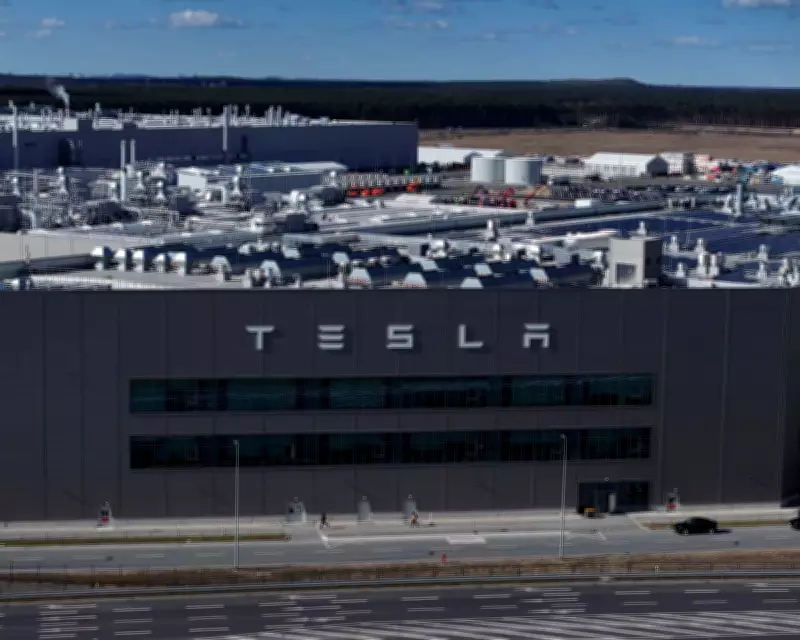
In a significant development for labour relations in the European automotive industry, the IG Metall union has failed to secure control of the works council at Tesla's factory near Berlin. The election results, announced this week, mark a setback for union efforts to strengthen worker representation at the electric vehicle manufacturer's German plant.
Election Outcome and Union Response
The works council election saw IG Metall candidates unable to win a majority of seats, despite an active campaign to mobilise support among Tesla's workforce. The union, which is Germany's largest and represents millions of industrial workers, had hoped to gain influence over workplace policies and negotiations at the factory. In response to the outcome, IG Metall officials expressed disappointment but vowed to continue advocating for Tesla employees, emphasising their commitment to improving working conditions and pay structures.
Background and Context of the Vote
Tesla's Gigafactory Berlin-Brandenburg, which began production in 2022, has been a focal point for labour organising due to its rapid expansion and high-profile status in the EV market. Works councils in Germany play a crucial role in co-determination, allowing employees to participate in decisions on issues such as working hours, safety, and operational changes. The election was closely watched as a test of union strength in a traditionally unionised sector now facing new challenges from tech-oriented manufacturers like Tesla.

Implications for Tesla and the Automotive Sector
This failure to win control could impact future labour negotiations at Tesla's German operations, potentially slowing union efforts to standardise contracts and benefits across the plant. Analysts note that Tesla has historically resisted unionisation in its U.S. facilities, and this result may reinforce its ability to maintain a more flexible, non-unionised approach in Germany. However, IG Metall's ongoing presence suggests that labour disputes and organising attempts are likely to persist, reflecting broader tensions in the automotive industry as it transitions to electric vehicles.
The outcome also highlights the complexities of labour relations in Germany, where works councils are legally mandated but union influence varies. With Tesla planning to expand production at the Berlin site, future elections and union campaigns are expected to remain contentious, shaping the landscape for worker rights and corporate governance in the evolving EV market.