

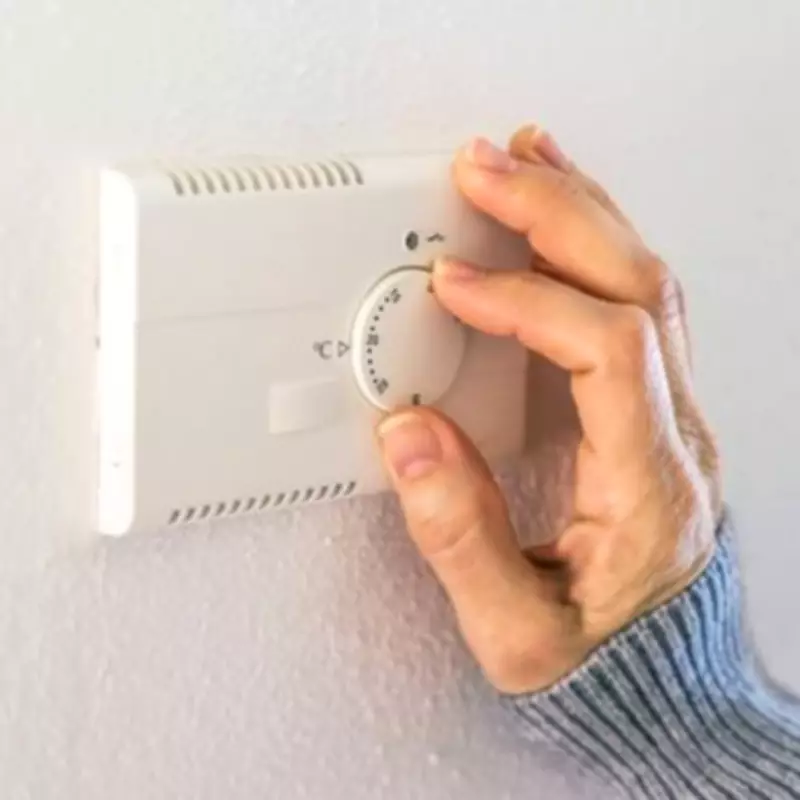
Many Brits are tempted to switch off their central heating as warmer temperatures arrive, but a Gas Safe engineer warns it could lead to problems if you shut things down on Friday.
Why You Should Keep Your Heating On
The sun is finally making an appearance, prompting many to question when they should turn off their heating. Yet, despite potentially needing it less as summer approaches, UK households have been advised to keep it running at specific times.
Most people typically turn their heating off in May when milder weather becomes more established. The standard recommendation is to switch it off once outdoor temperatures consistently hit 14°C to 15°C, although some may wait until they feel comfortable without it.

However, rushing into a summer shutdown on May 1 could be a mistake. While you may not need it running all day, there are advantages to keeping it ticking over regularly.
Expert Warning
Patrick Garner, Gas Safe Engineer at Heatable, warned that turning off the heating could lead to problems. A break for your boiler does not reduce wear and tear but instead raises the possibility of an irritating and costly autumn malfunction.
He highlighted that boilers do not cope well with an extended summer break, observing: "People assume no use means no problems. But, in many cases, it's the lack of movement within the boiler that causes issues."
If you still rely on hot water, your boiler will keep firing intermittently, maintaining component activity. However, if you shut everything down completely for four or five months, complications can begin developing.
Three Major Risks of a Summer Shutdown
- Pump Failure: The pump is among the most frequent boiler failure points. If it remains motionless for an extended period, it can become rigid or seize up entirely, particularly in ageing systems. This means no circulation and no heating when you need it.
- Valve Jamming: Valves regulate water flow in your boiler but do not respond well to inactivity. An extended summer pause can cause them to jam completely, preventing heat from reaching your radiators or hot water system.
- Rubber Seal Deterioration: Rubber seals can become brittle or harden over time, leading to leaks when you switch your heating back on after a lengthy break.
Patrick cautions that the dangers are not always immediately apparent. "You might not notice anything until the first cold morning, then suddenly the heating won't come on, or you've got a leak," he added.
The cost of neglecting your boiler throughout summer can escalate quickly. Patrick explained: "What starts as a small issue could turn into a repair bill in the hundreds. In worst cases, you could be looking at major component failure or even replacement."
What to Do Instead
Operate your heating for 10 to 15 minutes every few weeks during summer. This maintains water circulation, stops components from jamming, and helps your boiler remain in good condition.
If you regularly use hot water, particularly with a combi boiler, this can help keep everything running smoothly. For systems with a hot water cylinder, maintaining a reasonable level of hot water usage can prevent the system from becoming completely inactive.
What you should avoid is leaving the heating on continuously "just in case." This will waste energy and push up your bills unnecessarily.
"A little bit of use goes a long way," he added. "You don't need to run the system constantly. You just need to stop it from sitting completely still."






