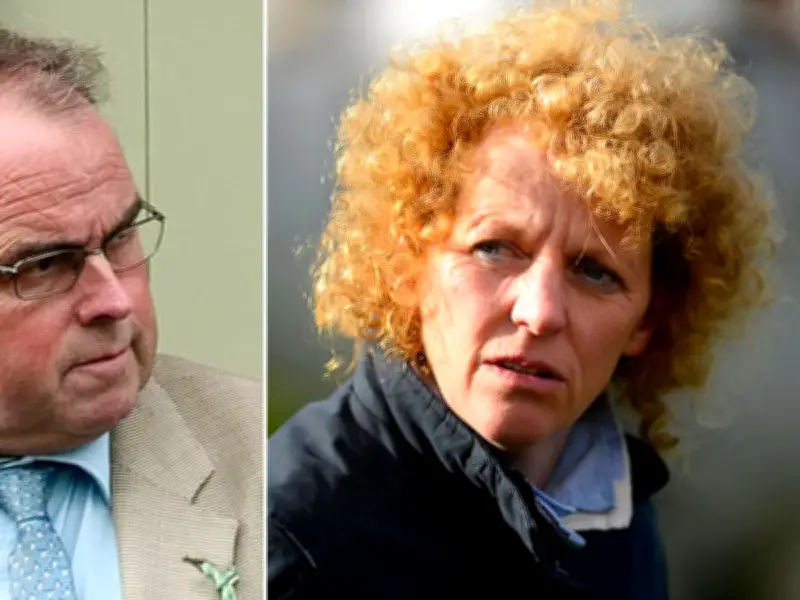
Top trainers Alan King and Lucinda Russell have been named by the government for underpaying their workers.
Dual purpose trainer King, who last month captured the Ebor Handicap at York with Daiquiri Bay, and two-time Grand National winner Russell were included on a list of employers who had failed to pay the minimum wage.
Government list details
The list has been regularly published since 2011 in an effort to hold bosses to account and make sure improvements are made as quickly as possible when pay is owed to staff. In the latest publication Alan King Racing Limited is reported to have failed to pay £19,050.72 to 24 workers, putting him 36th on the list of more than 600 employers.

Miss Lucinda V Russell, trading as Arlary House Stables, failed to pay £2,158.39 to two workers. She was 323 on the list.
Business Secretary response
Business Secretary Jonathan Reynolds said: “The best businesses know that looking after your workers isn’t just the right thing to do, it’s the smart thing to do, building the stronger, more successful businesses that drive growth in every postcode.
“Most employers already understand this, and I want to work with them to ensure they have every piece of guidance and support available to help them follow the rules. Short-changing your staff isn’t a shortcut to success and we are determined to stamp it out.”
Trainers' apologies
The national living wage and national minimum wage rates are £12.71 per hour for adults aged 21 or over, £10.85 per hour for those aged 18 to 20, and £8 per hour for under 18s and apprentices.
King, a multiple Cheltenham Festival-winning trainer, apologised for not making the correct payments. He told the Racing Post: “We sincerely apologise to our colleagues who were affected by these past administrative errors. Our employees are the backbone of the business, and they deserve to be compensated accurately.
“As soon as HMRC brought this to our attention, we co-operated fully and all affected employees were back-paid on conclusion in 2023. HMRC identified a technical underpayment for 24 employees, totalling £19,050.72 – this represented a small fraction of under one per cent of total payroll in the review period.
“The regulations surrounding National Minimum Wage can be complicated, but that is not an excuse. We have learned from this process and are fully confident that our current operations prevent any repeat of these issues.”
Russell said: “It was two errors as opposed to intentionally doing so regularly. We take the payment of staff very seriously and pay over the minimum wage. When they looked into the payment of all the other staff, of which we have around 60, they were all happy with them.”