Female personal trainers and coaches over 40 share expert advice on starting strength training in midlife, emphasizing simplicity, compound lifts, and proper recovery. After age 40, muscle mass declines by 3% to 8% per decade, accelerating after 50, a condition known as sarcopenia. Perimenopause further challenges strength building and recovery. However, strength training significantly reduces risks of type 2 diabetes, cardiovascular disease, and Alzheimer's, according to Leigh Breen, an expert in skeletal muscle physiology at Birmingham University. Even late starters can dramatically reduce disease risk in a short time.
Expert Recommendations for Equipment
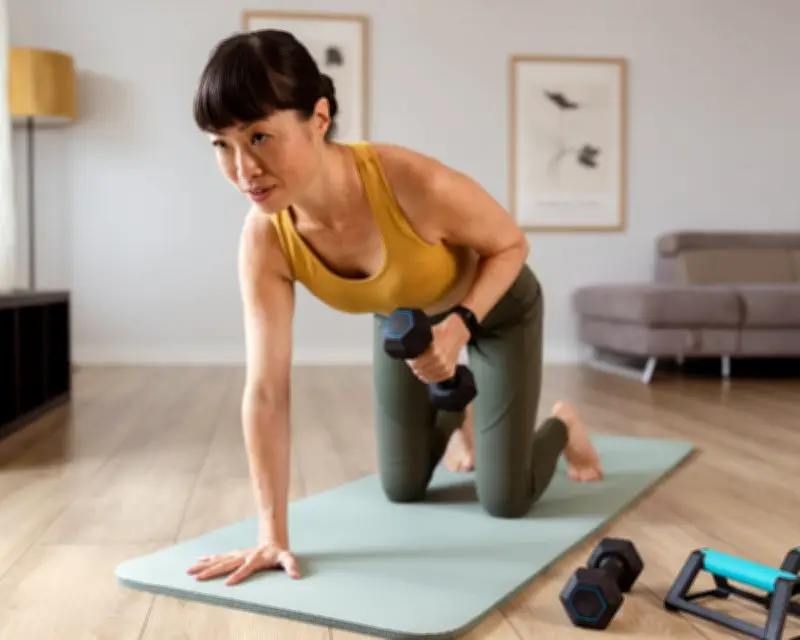
Our experts recommend keeping basic equipment at home. Ann Marie Chaker, a professional bodybuilder in her 40s, suggests a few sets of dumbbells stashed in a corner. Her at-home routine includes squats with a barbell and walking lunges with dumbbells. Stephanie Gaudreau, a certified personal trainer, recommends lifting household items like a backpack filled with books for a free option.
Use the 'Most Underrated' Workout Tool
Caroline Idiens, founder of Caroline's Circuits, deems resistance bands "the most underrated fitness gadget." Her favorites are from Gritin, which come in five different strengths, are cheap, and easy to transport. They are perfect for full-body workouts in small spaces.

Stick to Compound Exercises
Kate Whetsel, a certified personal trainer specializing in perimenopause, advises: "Stick to compound lifts and keep it simple." Compound movements like deadlifts or squats engage multiple muscle groups, benefit cardiovascular health, and improve flexibility. Whetsel recommends slowing down the lowering portion to a three-second count to increase demand on tissues and enhance body awareness. Pausing up to three seconds mid-move adds an extra core challenge.
Lift Your Bodyweight
Chaker starts every lift with no weight on the bar to engage the body in the mechanics. Whetsel suggests doing as many reps as possible with good form until only two or three more are possible, finishing with "reps in reserve."
Modifications Don't Signal Weakness
"Set our ego aside and be bad at things," says Whetsel. For minor aches, modifications are non-negotiable. Gaudreau suggests starting with a squat to a bench to control range of motion. Push-up handles reduce wrist strain and stabilize shoulders, as recommended by a personal trainer in a previous Guardian article. Working with a personal trainer is worth the investment for mobility issues.
Keep Your Cool During Perimenopause
To minimize hot flashes during workouts, Whetsel suggests sipping ice water, wearing loose sweat-wicking clothes, and training in a well-ventilated space. She recommends instant cooling towels from Frogg Toggs, which some clients use during summer.
Recovery Is Part of the Workout
As estrogen levels drop, calming exercises like box breathing or a quick yoga flow help lower stress hormones. Chaker emphasizes eight hours of sleep as the most important recovery tool. Epsom salt baths can relax sore muscles and improve sleep, according to our experts.