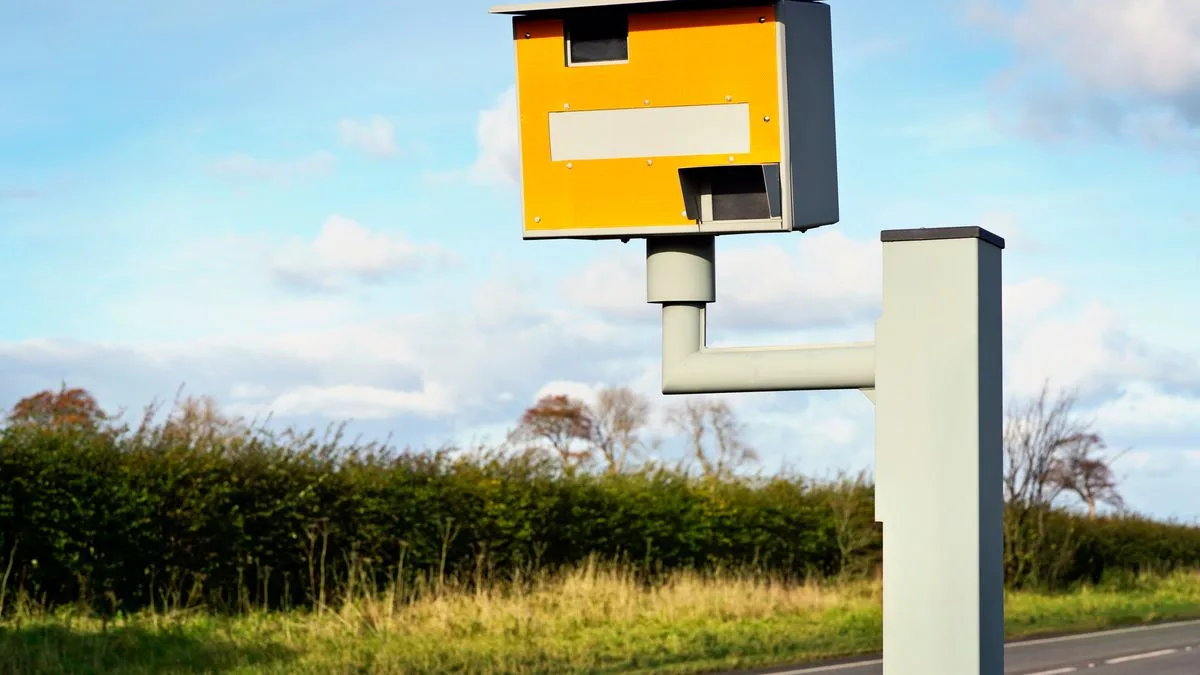
Police have confirmed that speed cameras do not need to be visible for a speeding fine to be valid, as over 7,000 cameras across the UK continue to catch drivers breaking the law. The Department for Transport changed national guidance in 2016, leaving drivers confused about the importance of a speed camera being clearly displayed.
Background on Speed Camera Visibility
The AA stated that the Department for Transport ordered all speed cameras to be painted yellow by October 2016. This should make most of them easier to see, but mobile speed cameras can still be tough to spot. However, the key point is this: just because you did not see a speed camera clearly does not mean the fine is invalid. The AA continued: "They aren't there to be spotted and dodged - the point of them is to encourage drivers to stick within the speed limit."
Legal Position on Camera Visibility
One person wrote into Patterson Law to query their speeding ticket, saying they could not see the camera. They wrote: "I was caught speeding by a camera at 4am doing 38 in a 30mph zone but I’m sure I was doing 34-35 and an overgrown hedge covers the camera and has made the yellow part of the camera green and black." Patterson Law confirmed that seeing a speed camera is an irrelevant factor and you can and will still be fined.
A spokesperson said: "Speed cameras do not have to be visible by law. Some guidelines suggest they should be, but if you challenge the allegation the only thing the court will be interested in is whether or not the police can prove their case against you beyond reasonable doubt."
Police and Government Statements
Avon and Somerset Police emphasised that the visibility of speed cameras is irrelevant - as their role is to catch drivers speeding. Clearly marked road signs showing speed limits are there to tell drivers when to change speed. It said: "There’s no legal requirement for enforcement vehicles to be visible or for warning signs to be used. While some national guidance encourages visibility, we can lawfully use unmarked vehicles where needed – particularly where previous visible enforcement hasn’t reduced speeding."
There are now around 7,000 cameras around the UK's road network, and in 2022 they resulted in the prosecution of 245,043 people – the highest figure since records began.
The Department for Transport said: "As long as the speed limit is properly set as a national speed limit, or a restricted road, or by SLO, and the speed limits signs, if they are required, provide adequate guidance of the maximum speed on the relevant road, there is no requirement to place warning signs or signs that enforcement of the speed limit commences."
A highways authority and the police may, if they so choose, indicate the change of a speed limit before enforcement is undertaken but there is no requirement that any signs or warnings that are additional to the speed limit signs need to be displayed before the speed limit can be lawfully enforced.