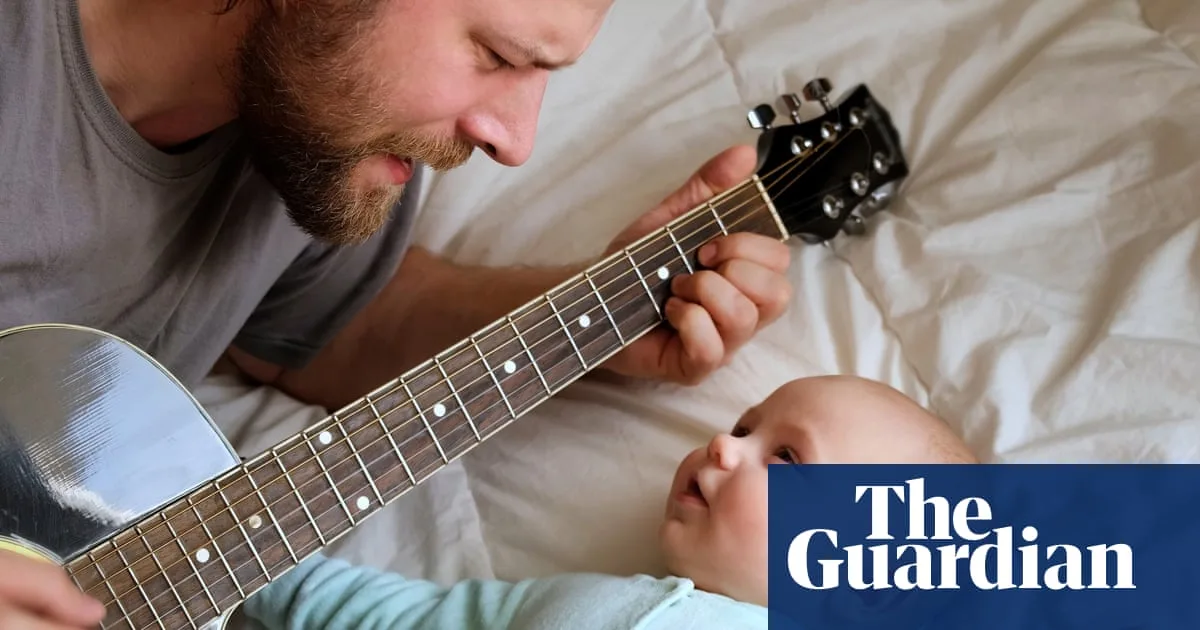
British fathers are being urged to join the world’s first “Dad strike” on 11 June outside the Department for Business and Trade in London to protest the UK’s statutory paternity leave, which campaigners describe as the least generous in Europe. The strike, organised by the campaign group The Dad Shift, highlights that self-employed co-parents do not qualify for any state support, while eligible employed fathers receive only two weeks on less than half the minimum wage.
Under current rules, eligible mothers on maternity leave receive 90% of their average weekly earnings for the first six weeks, then £187.18 for 33 weeks. Fathers and non-birthing parents get the same flat rate of £187.18 per week for just two weeks. This accounts for only 1.9% of government spending on parental leave, with the rest on maternity leave. The UK ranks 40th out of 43 OECD countries, and take-up is low: for every 100 babies born, only 31.6 men receive statutory paternity pay, compared with an OECD average of 57.
George Gabriel from The Dad Shift said low paternity leave pay forces many fathers into an “impossible choice” between working or being present for their children. Research by the group shows the average British father spends 57% fewer waking hours with their child in the first year. Marvyn Harrison, a self-employed father of two and founder of Dope Black Dads, said the strike is crucial to “awaken men to the problem” and to interrupt overcommitment in the workplace.
While many companies offer better parental leave—the BBC provides 52 weeks on a pay structure, and Aviva offers 52 weeks with first 26 at full pay—others like Barclays, HSBC, KPMG, and BDO LLP only give two weeks on full pay, according to a Paternity League Table from Koru Kids. New polling by Whitestone for The Dad Shift found that despite most children under 11 being picked up by mothers daily, 86% of respondents agree both parents should have equal opportunities to be caregivers.
The strike has gained support from companies such as communications agency The Romans and trades platform On The Tools, which are urging employers to give fathers the afternoon off. Pete Target, a local government worker, said he will strike because being apart from his newborn felt “awful.” The Dad Shift and the Fatherhood Institute are campaigning for six weeks of well-paid leave in a baby’s first year.