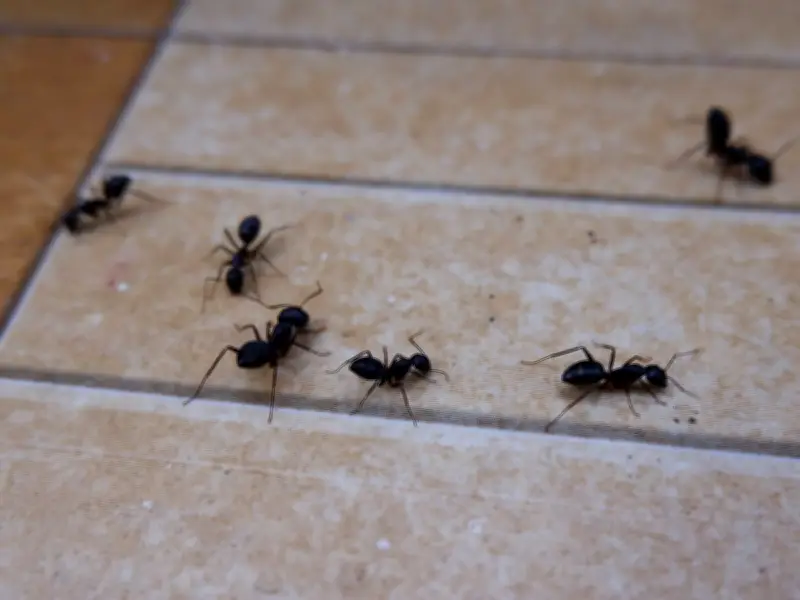
A distressed homeowner discovered hundreds of ants crawling from beneath their washing machine and kitchen cupboards, prompting a flood of advice from Mrs Hinch fans and pest control experts. The recommended solution: common cinnamon spice.
Cinnamon as an Ant Repellent
In a Facebook group called 'Mrs Hinch Cleaning Tips', a user sought help after returning home to find a large ant infestation. Many group members suggested using cinnamon, citing personal success. One user stated: "Cinnamon works. I did it and they never came back." Another wrote: "They hate cinnamon, it got rid of ours." A third added: "We live out in the country, and for some reason, I get them in the kitchen every few years. I use cinnamon and they are gone in a day and don't come back."
Pest expert Nicole Carpenter, president of Black Pest Prevention, confirmed that cinnamon "creates an unfavourable environment for ants, making them want to leave your space." However, she clarified that "the scent of cinnamon itself doesn't kill ants." Instead, its strong aroma disrupts the pheromone trails ants use to navigate and locate food.
How to Apply Cinnamon Effectively
To use cinnamon as a repellent, inspect entry points such as cracks in foundations, walls, and poorly sealed windows or doors. Mix cinnamon with a small amount of water and apply it with a cotton bud along the ants' trail into your home. This method creates a barrier that deters ants from entering.
Ismael Girard, CEO of Pest Agent, explained that the active compound in cinnamon, cinnamaldehyde, tampers with ants' pheromone trails, making it harder for them to find food sources or return to their colony. He noted: "This substance tampers with ants' pheromone trails, making it harder for them to navigate toward their food sources or return to their colonies."
Preventive Measures
Ants are particularly attracted to kitchens, where food is readily available. Consistent cleaning, proper food storage, and immediate cleanup of spills and crumbs are essential to avoid attracting ants. While cinnamon is a natural repellent, it is not a substitute for good hygiene practices.