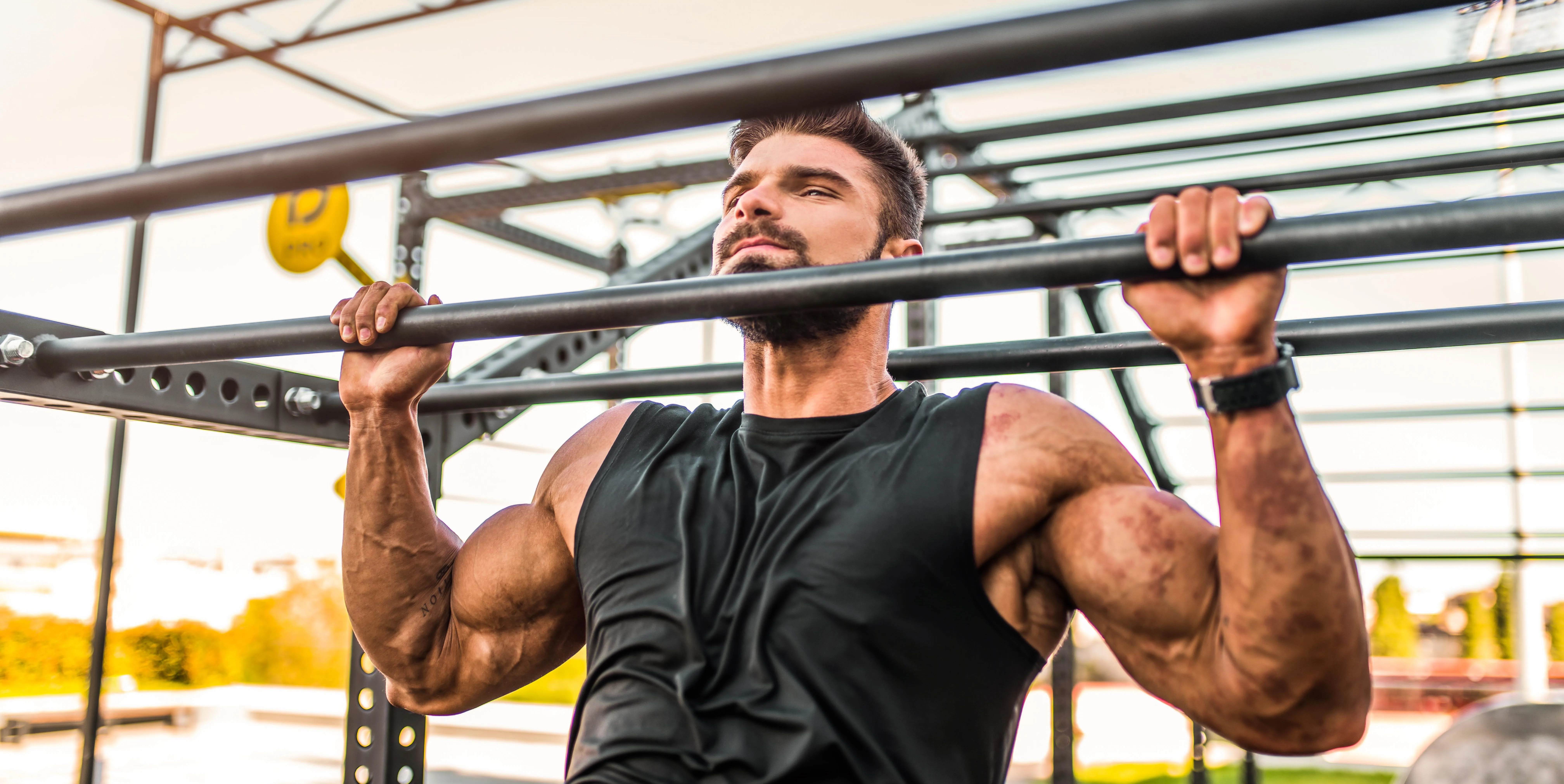
The pull-up is the ultimate test of bodyweight strength, but for many, it remains a daunting move. Whether you're starting from zero or aiming to increase your reps, mastering the strict pull-up requires proper technique and progression. Gymbox master trainer Firas Iskandarani emphasises that the pull-up is accessible: 'It's a bodyweight movement, so it's very easy to do and all you need is a bar to hang from.'
The key to a perfect pull-up lies in engaging the correct muscles. The move primarily targets the back, shoulders, and biceps, with the abs stabilising the lower body. Iskandarani advises adopting the 'hollow position'—a gymnastics posture where you slightly crunch your ribs toward your hips, squeeze your glutes, and point your legs straight. This ensures you use your lats rather than shrugging your shoulders. 'Think about pulling your elbows down rather than trying to pull your chin up,' he says.
For beginners, inverted rows are an excellent starting point. Set a bar at hip height, walk your feet forward until you're hanging with straight arms, then row yourself up. This strengthens the upper back, arms, and core while improving grip. As you progress, focus on controlled negatives and assisted variations to build the strength needed for a full pull-up.
Equipment like the Bulldog Gear wall-mounted pull-up bar offers 90cm of clearance for variations, while a floor-standing power rack can handle both pull-ups and squats. With consistent practice, you can go from zero to one rep and beyond, building functional strength that carries over to daily life.