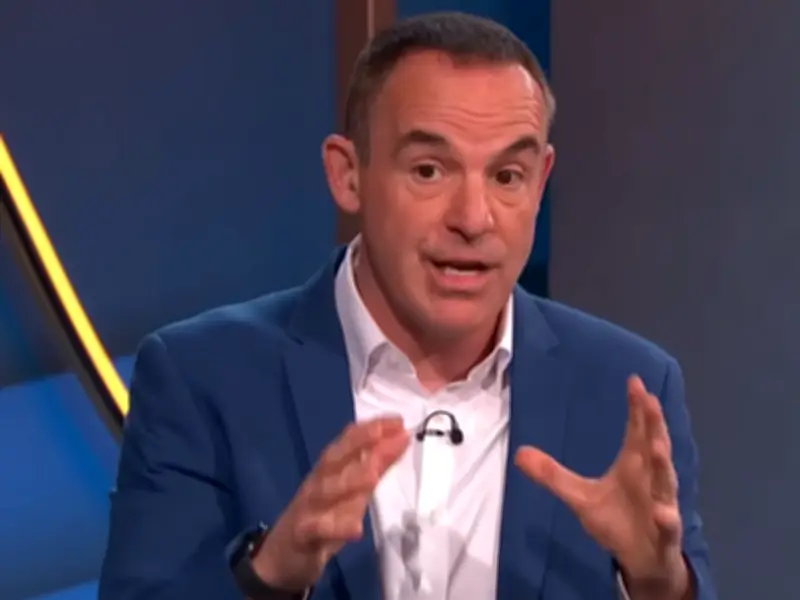
Martin Lewis, the money saving expert, has issued an 'important' pensions warning, highlighting a little-known rule that could significantly impact retirement savings for people in their 50s. Speaking on his BBC podcast, Lewis explained that the earlier you start contributing to a pension, the better, due to the power of compound interest.
Why starting early matters
Lewis responded to a listener aged 23 who had just landed their first job after university and was asking about how much to contribute to their private pension. Praising the listener for their forward-thinking, Lewis stressed the importance of beginning pension payments early in your career.
He said: "It's really important, because the earlier you start putting money into a pension, the reason it's beneficial, is you'll have it in an investment. That investment can compound over so many years."

To illustrate, Lewis shared rough figures: "For every £1 you put in in your early 20s, you're going to have to put in £30 in your 50s to get the same result. It's so worthwhile doing it early when you've got disposable income."
Tax relief for non-taxpayers
Lewis also outlined a pension contribution rule that could boost retirement savings. He explained that non-taxpayers can contribute up to £3,600 annually to a private pension, with tax relief applied automatically.
"There is a rule that says you can contribute £3,600 to a pension even for a non taxpayer, or the non taxpayer can do it themselves, and they still get relief," Lewis said. "So you can put £2,880 a year into a pension. The relief will come in - in a private pension - which will mean they actually have £3,600 saved on the back of putting £2,880 in."
This means that even those without income, such as children or unemployed individuals, can benefit. The 20% tax relief is claimed by the pension provider, so the individual only needs to contribute £2,880 to reach the full £3,600.
Who can benefit
Lewis highlighted several scenarios where this allowance could be useful: "You can do that for a child, you can do that for a baby. Grandparents can do it, parents can do it, aunties and uncles can do it. It's often a great way for grandparents to put money away for their grandchildren and be remembered."
The advice comes as many people in their 50s may be playing catch-up with their pension savings. Lewis's warning underscores the importance of starting early to avoid needing to contribute significantly larger amounts later in life.