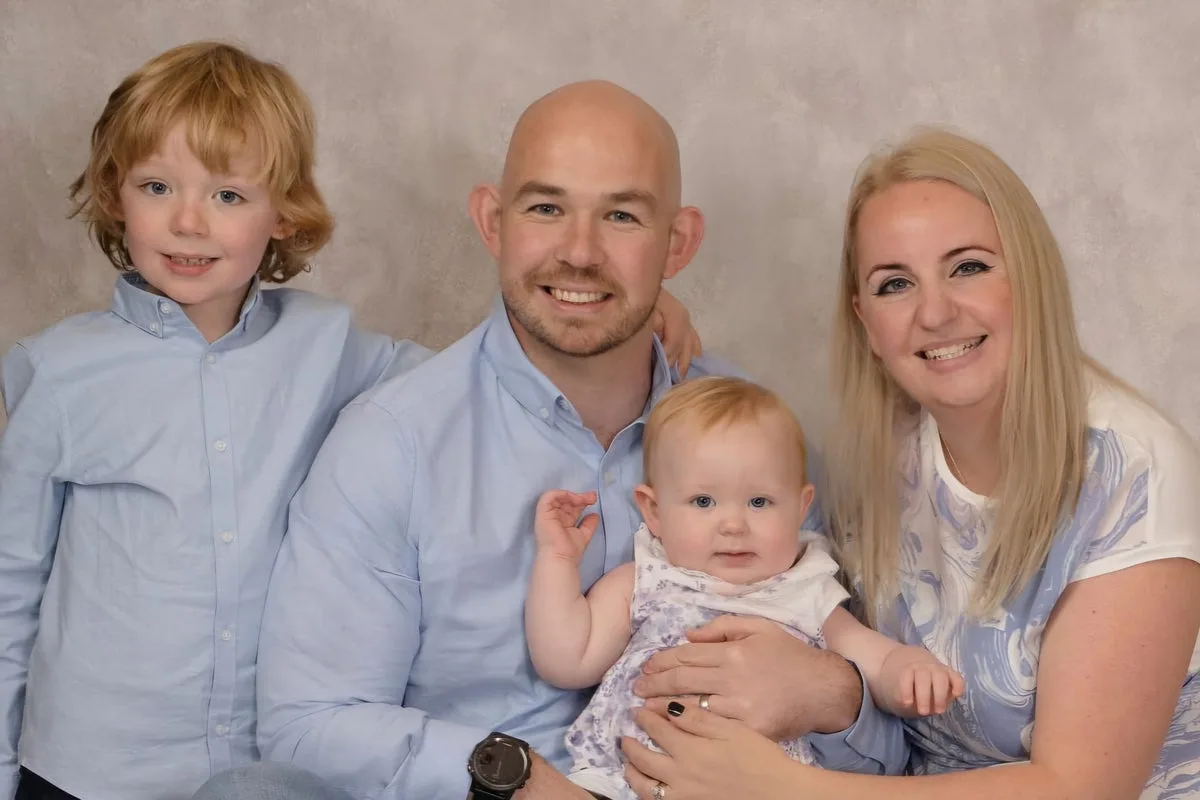
Ciaran Hannington was 26 when he began his 'fertility journey' with his wife Jen. After 18 months of trying to conceive, doctors spent nearly a year testing Jen before finally testing Ciaran. He discovered he was effectively infertile, with a sperm count far below the healthy range. 'The most frustrating thing was that it took almost a year to think of testing me,' he says.
Ciaran's experience reflects a wider trend. Studies show average sperm counts among Western men have halved in 40 years. In the UK, around 30% of fertility issues are solely male-related, according to the British Fertility Society. Recent ONS figures reveal fertility in England and Wales has dropped to record lows, with the total fertility rate falling to an estimated 1.39 in 2025.
Experts blame poor diets, inactive lifestyles, and environmental pollutants like plastics. Dr Shanna Swan warns that chemicals in plastics can interfere with hormones, particularly testosterone. She predicts most couples will need assisted reproduction by 2045 if plastic usage continues.
After unsuccessful ICSI cycles, Ciaran used his sports science background to create a lifestyle package. He cut high-intensity training, reduced stress, adopted an organic diet, improved sleep, and cut alcohol. His sperm count rose from 1,500 per millilitre to 4 million, with viability improving from less than 1% to over 4%. He and Jen now have two children.
Ciaran is part of a growing movement of men optimising sperm count through diet, lifestyle, and health hacks. On TikTok and Reddit, men share tips, while companies like NADS sell organic cotton underwear. Fertility supplements are now marketed to men too. Osman Khan, 45, founded SwimClub to address male fertility.