

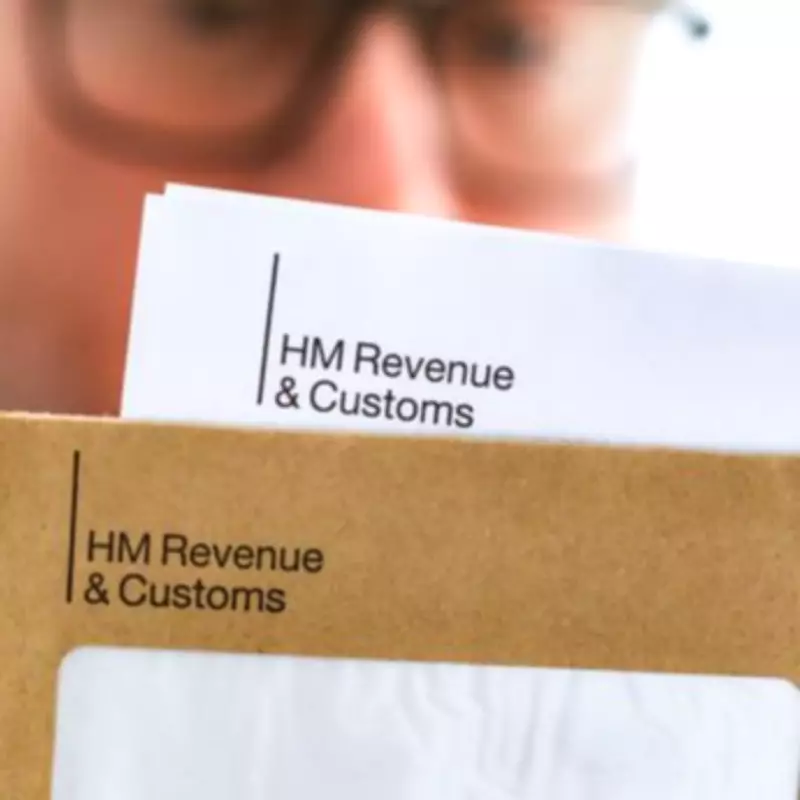
HMRC is urging people who are approaching retirement to improve their tax knowledge and confidence. The tax authority has advised retirees-to-be to learn three essential facts about taxation, suggesting they could “pop the kettle on” and absorb this information before their tea finishes. This guidance follows a recent report from the Office for Budget Responsibility (OBR) indicating that 600,000 pensioners will be drawn into paying tax.
Three Key Tax Facts for Retirees
Taking to X (formerly Twitter), HMRC explained three ‘good-to-knows’ about the state pension. The authority stated: “Tax in retirement works like usual. Up to £12,570 of your income may be tax-free (your Personal Allowance). Anything above that is taxed based on how much you earn.”
The state pension counts as taxable income. Taxable income can include:

- State pension
- Personal pensions
- Workplace pensions
- Savings
- Investments
All taxable income streams are added together to determine your total annual income. If this figure is between £12,570 and £50,270, you will pay the basic tax rate on the amount above £12,570. Although the state pension is taxable, it has not reached the personal allowance threshold. This means that those whose only income is the state pension do not have to pay tax on it. However, millions over state pension age already pay HMRC, and hundreds of thousands more could be passively dragged into taxable income thresholds.
Currently, the full new state pension is worth £241.30 per week, roughly £12,547.60 per year. This means that recipients of the full sum—around half of all pensioners—could trigger an income tax bill if they earn just £30 elsewhere during the year. If annual income is between £50,271 and £125,140, the higher rate applies, and anything over £125,140 is taxed at the additional rate. It is anticipated that the next annual increase for the state pension will exceed the personal allowance threshold. Chancellor Rachel Reeves has assured that people whose only income is the state pension will not face tax bills.
State Pension Age Is Rising
The state pension age is the earliest age at which a person can access their state pension funds, although they can defer it. The state pension age will rise from 66 to 67 for men and women over the next two years. This gradual change directly affects those born between April 1960 and March 1961. Everyone born after these dates will face a flat state pension age of 67. Further increases are anticipated around the 2040s.
State Pension Depends on National Insurance
The amount of new state pension you receive depends on your National Insurance record. You need a minimum of 10 qualifying years to qualify for any payment. A qualifying year is one in which you either received National Insurance credits, paid National Insurance, or were covered by voluntary contributions. To receive the full £241.30 per week, you need around 35 qualifying years. As of 2023, only about half of pensioners eligible for the new state pension were receiving the full amount.






