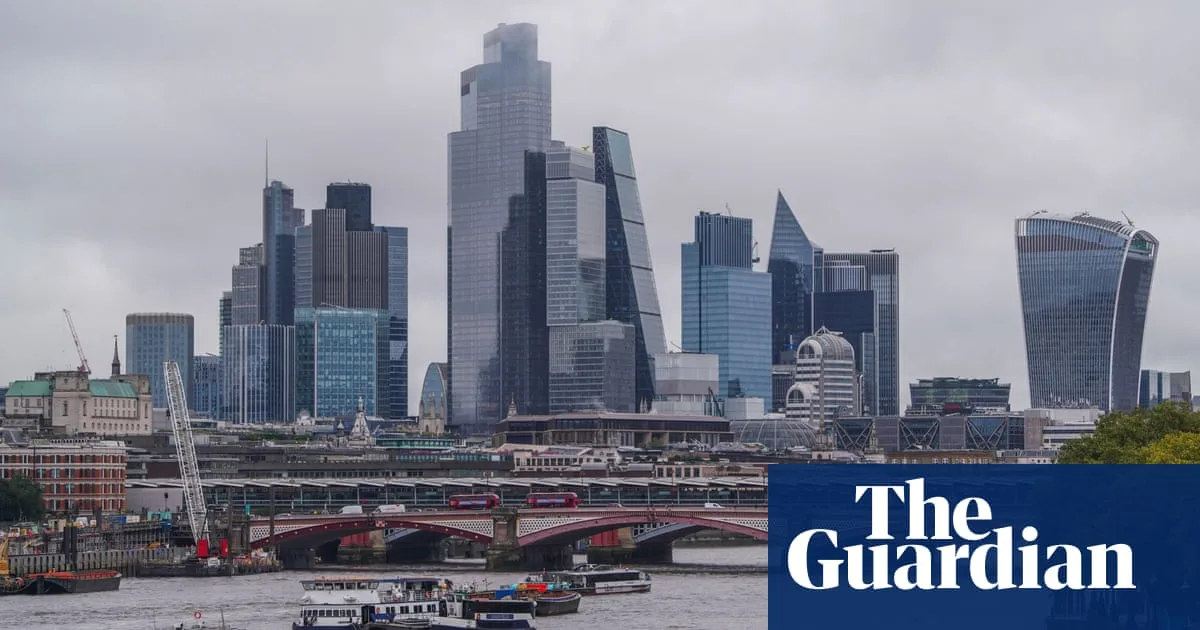
FTSE 100 chief executives will have earned more money by midday on Monday than the average worker earns in a full year, according to the High Pay Centre. The median pay for FTSE 100 bosses is £4.22 million, 113 times the median full-time worker's salary of £37,430. This means they surpass the annual worker pay within just 29 hours of the new year, slightly faster than last year's milestone at 1pm on the third working day.
While workers' pay increased by 7% over the year, bosses' pay rose by only 2.5%, but remains at record levels. The annual study highlights the growing disparity between executive and employee compensation, prompting calls for action from unions and politicians. Paul Nowak, general secretary of the Trades Union Congress, said: 'Every working person plays a part in producing Britain's wealth. But while millions of low-paid workers are still feeling the effects of the cost of living crisis, people at the top are taking more than their fair share.'
AstraZeneca's Pascal Soriot remains the best-paid FTSE 100 chief executive, receiving an £18.7 million package for 2024 despite shareholder objections. Erik Engstrom of RelX and Tufan Erginbilgiç of Rolls-Royce were both awarded £13.6 million. The median hourly pay for these bosses is £1,298.46, or nearly £22 per minute, based on an assumed 62.5-hour working week.
Some argue that such high pay is necessary to attract top talent, with the head of the London Stock Exchange previously suggesting UK companies should match American rivals. However, unions advocate for better pay for workers, and the TUC hopes the Labour government's employment rights bill will improve pay bargaining and job security. Business groups oppose the bill, warning it could force price increases.
Luke Hildyard, director of the High Pay Centre, warned that financial disparities fuel political division and populist anger. 'A feeling that the economy works for the enrichment of a tiny elite at the expense of wider society is an underrated cause of populist anger and support for extremist politics,' he said. 'Policymakers who fail to address this inequality are storing up some big problems for the future.'