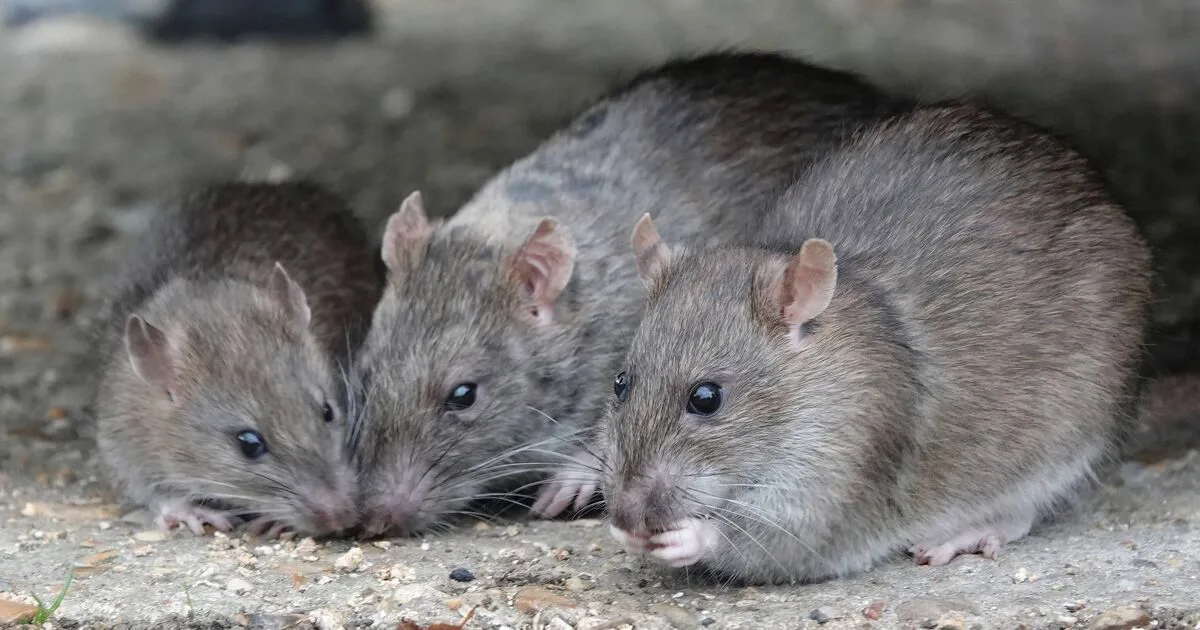
As spring gets underway, rats and mice actively seek food and shelter, making gardens a prime target. Many homeowners want to avoid chemical solutions to protect other wildlife. Experts have shared effective natural deterrents that are inexpensive and keep pests at bay.
Peppermint oil is highlighted as one of the finest natural deterrents. Ryan said: "The strong menthol scent makes mice and rats avoid the area." He recommends putting peppermint oil on cotton wool or napkins and placing them in bins or around bin areas.
Victoria suggests using chilli flakes or cayenne powder. "Rodents are extra sensitive to capsaicin," she explained. Sprinkling a thin line around flower beds, fence lines, or mouse holes works well. For rain, mix two tablespoons of cayenne with a litre of warm water and a drop of washing-up liquid, then spray onto plants and soil.
Mosh recommends eucalyptus oil: "The cineole in eucalyptus oil is both an irritant and a strong olfactory deterrent." Soak rags or cloth strips and place them near entry points, garden sheds, log stores, and bin areas. It is safe once dry and suitable for gardens with pets or children.
Coffee grounds serve as a zero-cost deterrent. Mosh explained: "The strong, bitter aroma interferes with a rodent's ability to detect food sources." Scatter used grounds thickly around bird feeders, compost bins, and vegetable beds. They also benefit the soil, so top them up every few days, especially after rain.
Planting fragrant herbs like mint, lavender, or rosemary can help. Luke said: "These don't guarantee rodents will disappear overnight, but they do make the garden far less appealing." Mint is a good choice but should be grown in pots as it spreads quickly. Before using deterrents, simple garden tasks can reduce pest risk.