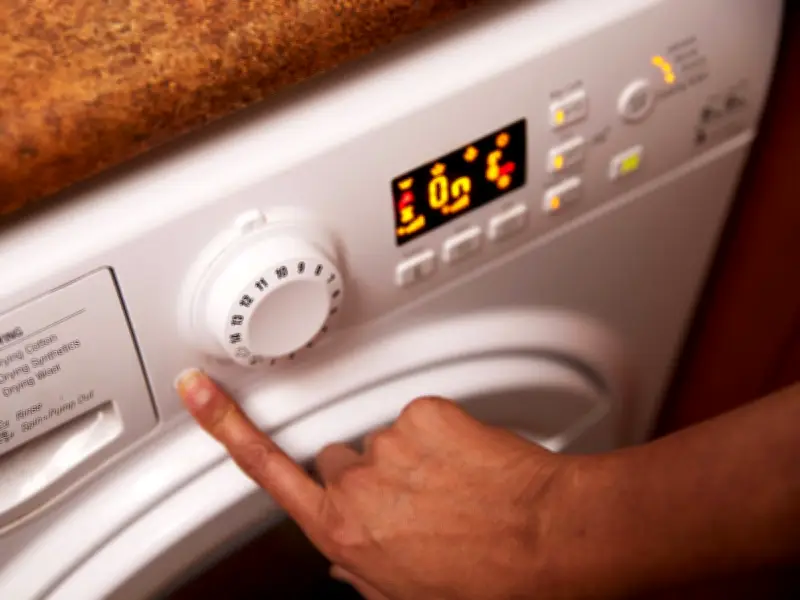
Using your washing machine during off-peak hours could reduce energy costs by more than half, according to energy provider E.ON. The washing machine is one of the most power-hungry appliances in the home, and running it during peak periods can significantly increase electricity bills.
Off-Peak Window for Maximum Savings
E.ON specialists advise that timing is crucial for cutting costs. They identify a prime window between 10pm and 8am as the optimal period for reduced rates, with super off-peak hours from 2am to 5am offering the cheapest electricity. During these super off-peak hours, electricity costs drop by more than half compared to peak times.
For those who cannot run their appliance overnight, a morning window between 7am and 8am also provides savings. Energy providers use time of use pricing, meaning electricity is more expensive during high-demand periods like weekday evenings and cheaper when demand is low.
How to Implement Savings
To take advantage of off-peak rates, use your washing machine's delayed start feature. Load the machine in the evening and schedule it to run during the cheapest hours. Another tip is to combine smaller loads into fewer, fuller washes to maximize efficiency. Pre-soaking stained or odorous items can also reduce wash duration or eliminate the need for high-temperature cycles.
E.ON stated: "It turns out that timing is everything. Using your washing machine during off-peak hours could make a noticeable difference to your monthly bill." The easiest way to trim running costs is by washing clothes during the cheapest windows.
Additional Energy-Saving Tips
Beyond timing, planning laundry for overnight off-peak slots is straightforward. Many modern washing machines allow programming a start time. By adopting these strategies, households can significantly reduce their energy consumption and lower bills.