
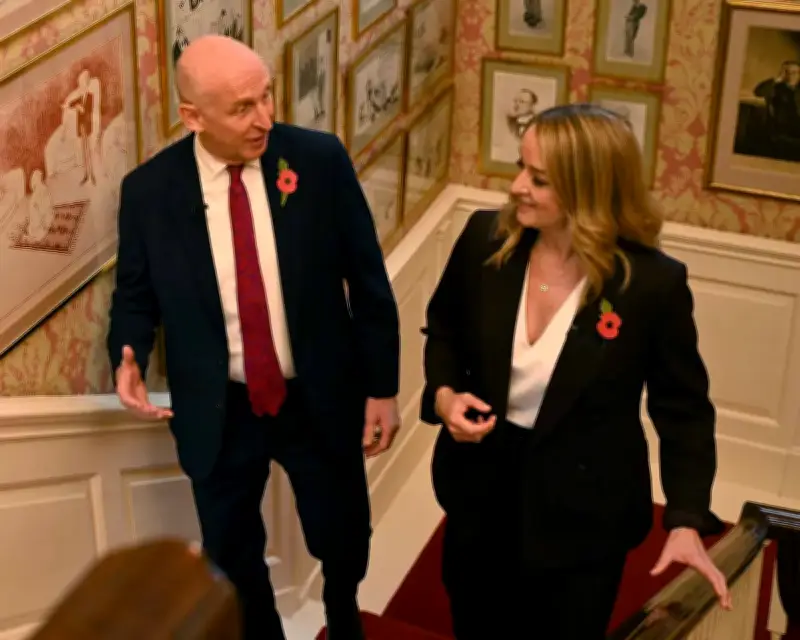
Labour looks less likely to meet its manifesto pledge to equalise the minimum wage for younger workers before the next election, after the chancellor failed to guarantee the rise within that timeframe. John Healey said on Sunday the government was still committed to the increase but did not spell out when it would be achieved.
In the budget, a rise in the minimum wage was handed to adults and under-20s, but there was no larger rise for younger workers, which would have been needed for a move towards equalisation. Labour’s 2024 manifesto committed to closing the gap on pay for 18- to 20-year-olds, and last week’s budget saw a blanket increase of 3.9% for both bands.
Government stance on equalisation
Speaking on the BBC’s Sunday with Laura Kuenssberg programme, Healey said he would “take it one step at a time” amid fears that a rise could exacerbate youth unemployment. He insisted there was no question about whether Labour would break its manifesto commitment.
“There’s no question about whether or if. It’s a question of when. It’s a question of how fast. And I want to make sure that we can look hard at those trade-offs that inevitably are there between jobs and wages,” Healey said.
Concerns over pace and spending cuts
Some senior MPs, including the housing secretary Angela Rayner while she was out of government, have previously expressed concern at the slow pace of the equalisation. In June, Rayner warned the government it must deliver on the promise.
Healey also told the BBC he was prepared to keep the spending cuts – some more than 2% year-on-year – planned for before the next election in the last spending review. “We will carry that through to the 10-year plan and the spending review next year,” he said, adding that the budget set out ways the government is preparing for those decisions.
Welfare and future plans
Some thinktanks, including the Institute for Fiscal Studies, have criticised how the government’s deficit reduction plans seem predicated on making unpopular cuts that are unlikely to be enacted at a crucial electoral moment.
Speaking on GB News on Sunday, the chief secretary to the Treasury, Emma Reynolds, said the government would not make “crude cuts” to welfare to balance the books, because of the costs that would incur elsewhere. “We will set out proposals in the new year, and then we will legislate to bring the welfare bill down in a fair and sustainable way, and according to our values as a Labour government,” she said.




