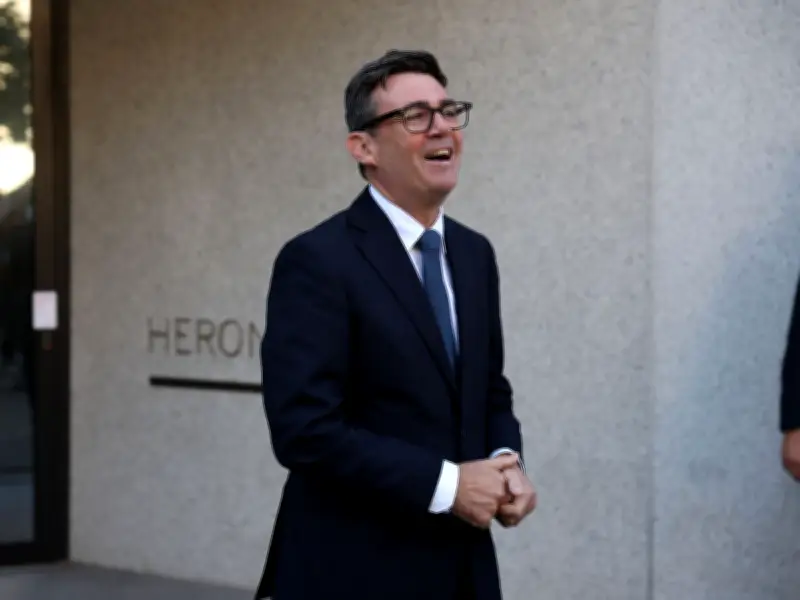
Andy Burnham ended his first week as Prime Minister by working in the new No 10 North in Manchester city centre for the first time. The building in Heron House, he said, was about ‘rebalancing power in the country’.
The symbolic visit was the culmination of a week of announcements aimed at easing the cost-of-living crisis. These included a £2 cap on bus fares, cutting VAT on energy bills and a reduction in business rates for pubs, clubs and live music venues. In total, these pledges add up to about £1.5bn, which is relatively modest compared with annual government spending, which is projected to be around £1.4 trillion.
End Rough Sleeping
On Monday, in his first speech as Prime Minister, Mr Burnham announced outside Downing Street that he would end rough sleeping in our country. Government figures show 4,800 people were sleeping rough on a single night in England in 2025, up from 1,800 in 2010. At a cost of £340million, the government said the money would come from existing ‘uncommitted’ budgets in the housing department. As Greater Manchester mayor, Mr Burnham vowed to end rough sleeping in the region by 2020. Data shows he made major progress towards that goal initially. But homelessness has increased in the region since then.
Bus Fare Cap
On Wednesday, Number 10 announced that single bus fares across England will be capped at £2 from January. Speaking to reporters in Bath, the Makerfield MP said he has “reprioritised” how money is being spent in Government, to try to ease the cost of living. The nationwide cap is currently set at £3 until the end of March 2027 although some areas – including London and Greater Manchester, where Mr Burnham set a £2 limit as mayor – have lower top rates for single tickets. The £500million policy – which the Government says is fully costed – mirrors Mr Burnham's in Greater Manchester when he was mayor.
Business Rates Reduction
On Thursday, the Prime Minister said there would be a reduction of 20 per cent on business rates for pubs and clubs, which will take effect next year. It could see 32,000 venues save around £1,100 in the 2027-28 tax year, according to government figures. The measure is expected to cost the Treasury £100 million and ministers say it is fully funded, but did not provide details, beyond stating that part of the cost would be met by ‘reviewing reliefs for businesses that do not make a positive contribution to local communities, such as vape shops’.
VAT Reduction on Bills
The removal of the five percent VAT on electricity bills for households is expected to come into effect in October and last for six months. The Government said on Tuesday that the move could save the average household £45 on their annual bill. The removal of VAT will cost the Treasury about £850 million in 2026-27. Downing Street said it was funded through the cancellation of the digital ID scheme announced by Sir Keir Starmer when he was Prime Minister. However, the Office for Budget Responsibility (OBR) has said the scheme was unfunded, raising questions about where the savings will come from. There are also doubts about how much money households will actually save. Updated forecasts suggest the energy price cap will rise between October 1 and December 31. MoneySavingExpert.com founder Martin Lewis said on social media: “I've just got the latest energy bill predictions. The average of three sources show the Price Cap rising 5.1 percent on 1 October – as the last week has seen very high wholesale rates. An annualised rise of £93 on a typical bill. If this happens, it will wipe out any household savings from the VAT cut during that Price Cap period (those on fixes will still see a 4.8 percent reduction).”
No 10 North
Burnham ended his first week as PM by working out of the new No 10 North in Manchester city centre. He's expected to work from there each week, with other ministers, including Lucy Powell, who is Deputy PM and the Education Secretary. Louise Haigh, Chancellor of the Duchy of Lancaster, will be overseeing the department as part of her role and will be working there on a regular basis. Up to 300 civil servants are expected to join the operation by the end of the next year, but Downing Street has insisted it will cost taxpayers no extra money. A spokesperson for the PM said: “The running of No 10 North will be covered by existing Cabinet Office budgets. There is no additional cost to taxpayers.”
What Comes Next?
Mr Burnham has pledged to stick to Labour’s existing fiscal rules – not borrowing for day-to-day spending and having debt fall as a share of the economy by the end of the Parliament – as well as the promise not to raise income tax (which has stood at £12,570 since 2021), suggesting any big spending commitments might be limited. However, the OBR requires at least 10 weeks' notice of a Budget, so ministers have little time left to decide how they will balance the books. That means the first Budget of the new government is likely to provide the biggest test yet.