

For green-fingered Britons, the long-awaited spring sunshine is the perfect opportunity to start working on improving their gardens. Yet while enthusiastic homeowners may have invested in the latest technology and are keen to get their gloves on, they still run the risk of falling victim to some common gardening mistakes that can quickly incur thousands of pounds in costs.
From pressure washing to aggressive pruning and even selecting the wrong types of plants, caring for your green space with the correct measures is vital to avoid unnecessary expenses this spring.
Liam Cleary, gardening expert at the Old Railway Line Garden Centre, in Brecon, told the Daily Mail: 'The costs can creep up quickly with these kinds of mistakes. Damaging a patio with a pressure washer, for instance, can mean replacing full sections, which can easily run into the high hundreds or thousands depending on the size.'

Read on to discover the tempting middle class gardening mistakes that come with an eye-watering price tag.
1. Power Washing
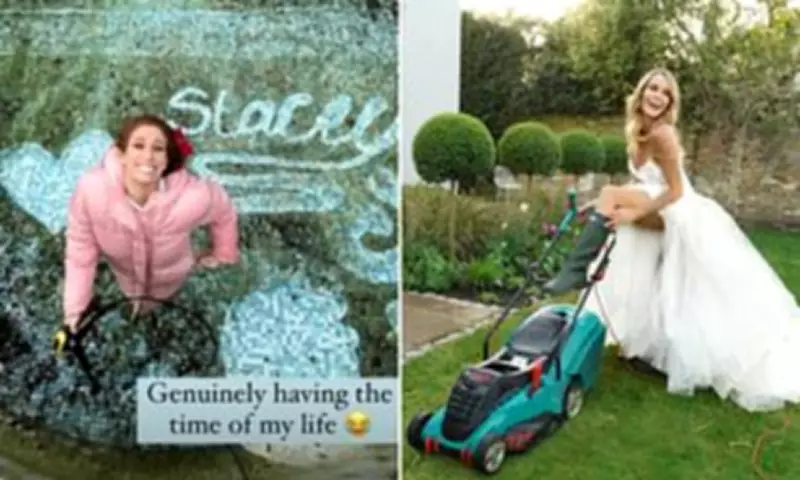
While homeowners may quickly become addicted to seeing their grotty, muddy and mossy surfaces turn green, blasting your garden floors and furniture with large amounts of water can quickly cause damage if you aren't careful. Liam explained: 'One of the biggest mistakes I see, especially at this time of year, is people going in too hard with a pressure washer on patios and decking. It feels like a quick win, but used incorrectly it can strip the surface layer off of paving and in extreme cases, even splinter timber decking.' Indeed, while A-listers such as Stacey Solomon often share videos of themselves power washing on social media, Liam advises against it as it can cause long-term damage. 'Once that protective layer is gone, you're much more likely to see cracking, weed growth, and water damage,' he warned. Meanwhile, Chris Bonnett, plant and garden expert and founder of Gardening Express, said: 'A gentle clean using a stiff brush, mild cleaner and a standard hose is usually all that's needed. Save the pressure washer for occasional, careful use to help keep outdoor surfaces looking good without shortening their lifespan or creating expensive repair jobs later on.' Liam estimates that the cost of overdoing it with a power washer can fall between £600 to £2,500 - accounting for covering, repainting, replacing sections of paving or repairing damaged decking.
2. Using Robotic Lawn Mowers
They are the epitome of modern gardening technology - and can cost between £200 to over £5,000. Yet a robotic lawn mower may not be quite as revolutionary as it initially seems. Chris warned: 'These machines are designed to cut the grass little and often, which sounds ideal in theory. But the problem is that during hot, dry spells, grass is already under stress. So when a robotic mower keeps trimming regardless, the lawn is forced to keep recovering when it doesn't really have the energy or water to do so. Over time, this can leave grass looking thin, patchy and dry, with bare soil starting to show through.' At this stage, exposed soil can become even more dry, creating a knock-on-effect: the lawn then becomes 'more vulnerable to further stress damage'. To avoid these problems, Chris suggests 'raising the cutting height, reducing mowing frequency or pausing the robot altogether to help your grass recover and stay strong'.
3. Overusing Fertiliser
The age-old belief that fertiliser can solve all of your plant-related woes is, sadly, a bit of an illusion. And while green-fingered Brits may think they are doing their garden a favour by adding in a pricey fertiliser, Liam advises against overusing them. He warns: 'A lot of people don't realise that too much feed can scorch the roots and weaken your plants, leaving them more open to pests and disease. So, instead of boosting growth, it can set your garden back quite dramatically.' In a bid to avoid extensive costs, Liam advises carefully considering the amount of fertiliser used in advance, while also 'doing your research'. He estimates that the cost of using too much fertiliser on your beloved plants can fall between £150 and £1,000 - accounting for the likes of replanting small borders to replacing established shrubs.

4. Running Sprinklers or Irrigation Systems
They are often praised as the solution to a lush, green lawn, while also considerably faster than manual watering. However, Chris warns that this is a staple middle class gardening mistake to avoid at all costs. He explained: 'Running sprinklers every day might feel like the safest way to keep your garden happy during hot and dry weather, but it's one of the easiest ways to accidentally damage your lawn and plants and cost potentially thousands of pounds to fix. When soil stays constantly wet, roots stop growing deep and strong because they don't need to search for moisture. Instead, they sit near the surface, becoming weak and vulnerable to heat and drought.' Chris added that a build up of wet soil can also create the 'perfect environment for fungal diseases and rot root'. He continued: 'Lawns can become patchy and yellow and plants may suddenly wilt. At that point, the damage is already happening underground.' To avoid any lasting damage, Chris recommends pushing your finger a few inches into the soil before you turn the hose on. He added: 'If it still feels damp, leave the sprinklers off!'
5. Incorrect or Aggressive Pruning
While the warmer weather might seem like the perfect opportunity to get the gardening tools out, Liam advises being cautious around how you proceed. 'Cutting hedges or trees too hard, or at the wrong stage in their growth cycle, can stress plants and limit their regrowth,' he explained. Stressing the importance of not falling victim to this mistake, Liam added that damaged plants can sometimes take 'years' to properly recover. He estimates that incorrect pruning can incur costs of around £200 to £2,000 - accounting for corrective pruning or even having to replace a damaged hedge.
6. Overcrowding Your Plants
A trip to the garden centre on a sunny Sunday to spruce up your outdoor space is all well and good, but Liam warns not to get too ahead of yourself here. He added: 'Planting before thinking about spacing is another mistake. It might look great initially, but overcrowding can lead to poor airflow, more disease and plants struggling to establish themselves.' Making this mistake can lead to estimated costs of up to £100, with expenditures going towards lifting, re-spacing and even replacing plants when needed. 'If plants are lost due to overfeeding, poor planting, or incorrect pruning, replacing mature shrubs, hedging, or bedding schemes isn't cheap, especially if you're redoing large areas of your garden,' Liam explained.
7. Using 'Bargain' Materials
Middle class gardeners may always be on the hunt for a bargain. But, be warned, not all 'bargain' materials belong in your luscious dream garden. In particular, Liam advises against using 'low-quality compost and untreated timber' as they 'tend to fail quickly'. He added: 'That creates more work and expensive repairs down the line. Using cheap materials might save you money at first, but can really add up if it all goes wrong. Replacing planters, compost, or timber every year instead of every few years will result in you spending far more over time than if you'd invested properly at the start.' Liam estimates that such damage can cause average costs of between £300 and £1,200.





