

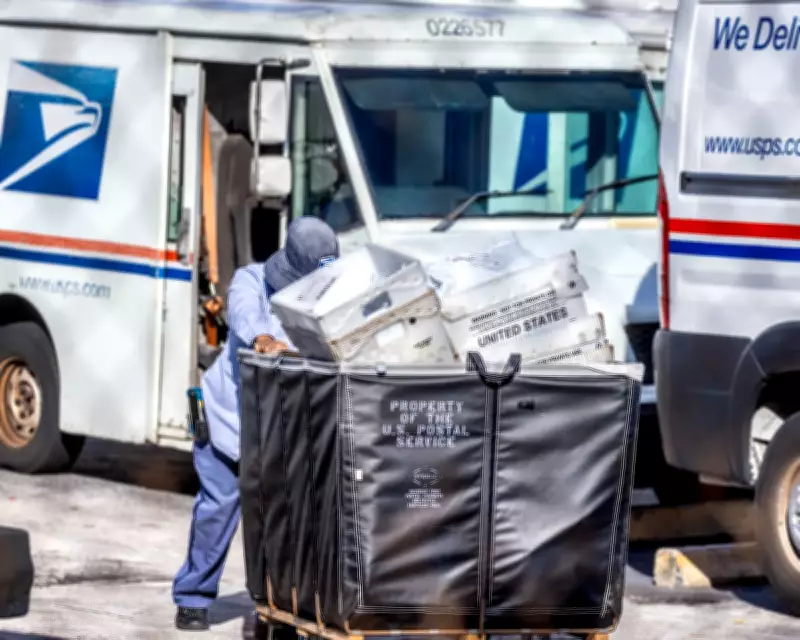
The US Postal Service (USPS) has announced a significant new policy, introducing its first-ever fuel surcharge on packages to counter escalating energy costs. This move comes as oil prices surge dramatically following recent geopolitical tensions.
Details of the Fuel Surcharge
Set at 8%, the surcharge is scheduled to take effect on 26 April and will remain in place until 17 January 2027, according to the current plan. It will impact various shipping services, including Priority Mail Express, Priority Mail, USPS Ground Advantage, and Parcel Select. In a statement, the USPS explained that transportation expenses have been climbing, prompting this adjustment. The agency noted that while competitors have implemented multiple surcharges, this charge is less than one-third of what others levy for fuel alone, asserting that the Postal Service still offers competitive shipping rates globally.
Background on Oil Price Increases
Oil prices have jumped by as much as 40% since the beginning of 2026, driven by the US and Israel's attack on Iran on 28 February. This spike has pushed the average price per gallon for diesel gas in the US to $5.37, up from $3.75 just one month prior, exacerbating financial pressures on logistics and shipping sectors.

Political Reactions and Criticism
Democrats have been quick to voice their concerns over the surcharge, linking it to broader affordability issues. JB Pritzker, the governor of Illinois, criticized the move in a social media post, stating, "Groceries. Gas. Now packages. Is there anything Donald Trump hasn't made more expensive? Call it what it is: the Trump Mail Tax." Similarly, US Senator Raphael Warnock remarked, "Trump has messed up on affordability so badly that he's even managed to make the mail more expensive." These comments highlight the partisan divide over economic policies and their impact on everyday costs.
Financial Challenges Facing USPS
Rising fuel costs represent just the latest in a series of financial obstacles for the struggling postal service. Earlier this month, Postmaster General David Steiner warned that the agency is poised to run out of funds within the next year unless Congress alters its borrowing limits. He told lawmakers, "Less than a year from now, the Postal Service will be unable to deliver the mail if we maintain the status quo." This dire prediction underscores the urgent need for legislative action to ensure the continuity of postal services.
The introduction of this surcharge reflects broader economic trends, including inflation and geopolitical instability, that are affecting consumers and businesses alike. As the USPS navigates these challenges, stakeholders will be closely monitoring its financial health and the impact of new charges on shipping affordability.






