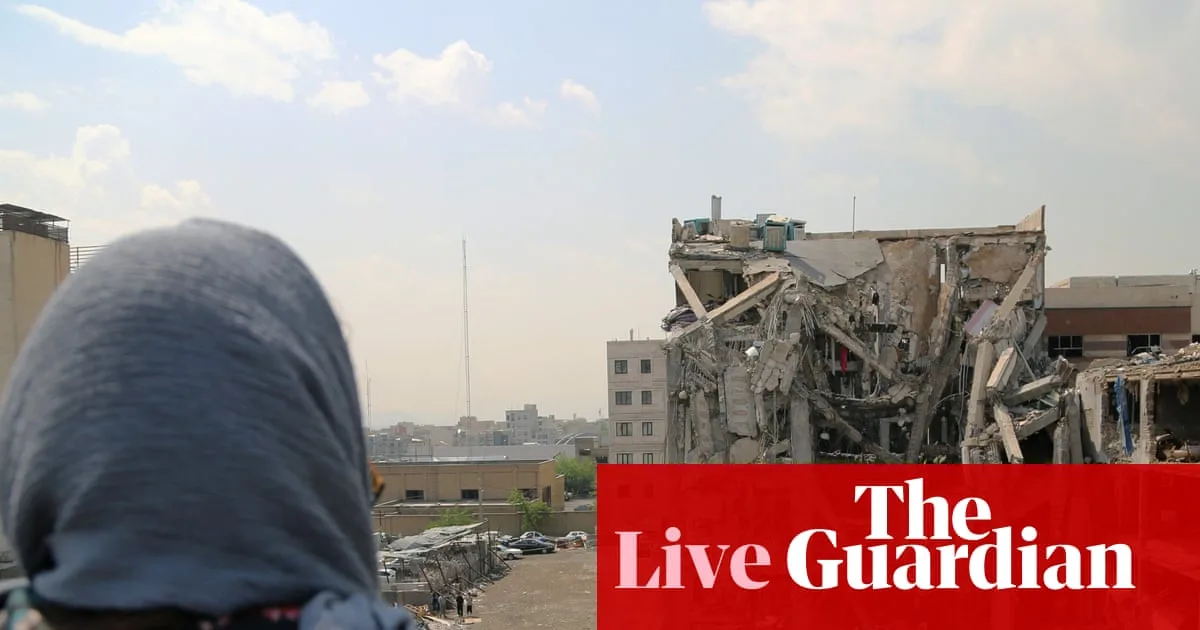
The Pentagon has revealed that the cost of the US war on Iran has risen to approximately $29bn, up from an earlier estimate of $25bn. Jules Hurst III, the Pentagon's chief financial official, told a House hearing that the increase is due to updated repair and replacement of equipment costs, as well as general operational expenses. Defence Secretary Pete Hegseth declined to provide a full accounting, saying details would be shared when 'relevant and required'.
Meanwhile, Australia has announced it will join a 'strictly defensive' mission led by France and Britain to secure shipping through the Strait of Hormuz. Defence Minister Richard Marles said Australia would contribute a Wedgetail E-7A surveillance aircraft already deployed in the region. The move comes amid ongoing tensions with Iran, which has reportedly regained access to most of its missile sites, according to classified US intelligence assessments cited by the New York Times.
Kuwait has accused Iran of launching a failed attack on an island where China is helping build a port, a claim Tehran dismissed as 'baseless'. The allegation came as US President Donald Trump departed for Beijing, where he said he would discuss Iran with Chinese President Xi Jinping but emphasised trade as a bigger focus. Trump reiterated his threat to Iran, stating: 'We’re either going to make a deal or they’re going to be decimated.'

In a separate development, Israel has intensified strikes on south Lebanon, killing 13 people on Tuesday. Lebanon's health ministry reported that 380 people have been killed since the 17 April ceasefire, including 39 women and 22 children. Israel reserved the right to act against 'imminent threats' under the truce terms.
Iran's chief negotiator warned that Washington must accept Tehran's 14-point peace plan or face failure, as Trump warned the truce is on the brink of collapse. The total cost of the war could eventually hit $1 trillion, analysts suggest, as military operations continue to escalate.