

America's housing market may finally be showing signs of life, but the recovery is unfolding very unevenly across the country. Home prices rose 2.4 percent year over year in April, according to Redfin's latest housing data, marking the biggest national gain since March 2025. After nearly a year of sluggish activity, stubborn mortgage rates and buyer fatigue, it is one of the first genuinely encouraging signals the market has produced in months. What began as a 'cruel summer' for housing stretched through fall and winter, but momentum now appears to be shifting.
Regional disparities emerge
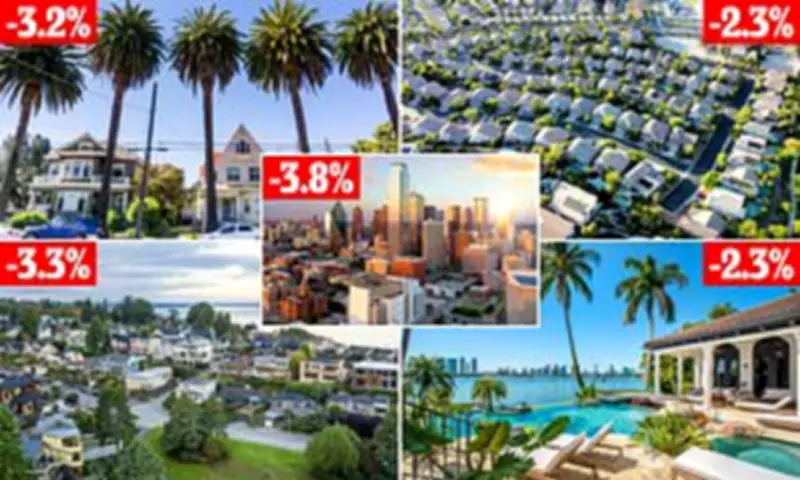
Among the 50 largest metro areas in the US, 30 posted annual home-price gains, while 19 recorded declines. Most of the falling markets saw relatively modest dips of less than 2 percent. But a handful of cities stood out for much steeper declines, led by Dallas, Texas.
Dallas became one of the biggest winners of the pandemic-era migration boom as Americans fled expensive coastal cities in search of lower taxes, larger homes and more affordable living. For years, the metro area seemed unstoppable. Now, the market is beginning to cool. Median home prices in Dallas fell 3.8 percent year over year to $408,862, according to Redfin. Homes are also sitting longer, with the median property spending 61 days on the market. The frenzied 'move to Texas' era has slowed as high mortgage rates and affordability pressures squeeze buyers. Sellers, meanwhile, are reluctant to cut prices aggressively, creating a market where both sides appear hesitant to make the first move.

Seattle faces a 'perfect storm'
Seattle, Washington, ranked second among the weakest major housing markets. Plummeting house prices are just one of the many issues plaguing the liberal city's housing market at present. In fact, Seattle's once red-hot housing market is being battered by what locals are calling a 'perfect storm' - a weakening economy, nervous tech workers, rising mortgage rates and a growing backlash against the city's sharply progressive politics. Spring is normally when the Emerald City's notoriously competitive market roars back to life, with bidding wars breaking out and buyers scrambling to get in before prices climb even higher. But this year, the mood has shifted dramatically. Instead of optimism, uncertainty is hanging over the market. Real estate agents say many prospective buyers are frozen by the relentless stream of bad economic news. The conflict in Iran has pushed mortgage rates higher, soaring gas prices are squeezing household budgets, and concerns over another round of tech layoffs continue to loom over workers employed by Seattle-area giants like Amazon and Microsoft. Seattle's new progressive mayor, Katie Wilson, ignited controversy after dismissing concerns that wealthy residents and employers could leave Washington over taxes.
Silicon Valley and other laggards
San Jose, California - the heart of Silicon Valley - posted the third-largest decline, with median home prices falling 3.2 percent to $1.65 million. This drop paints a clear picture - demand in the tech capital is weakening because the industry's biggest and brightest are leaving. Companies like Tesla, Oracle, Chevron, Palantir, and X have all left Silicon Valley for Texas. Meanwhile billionaires - like Google's Larry Page and Sergey Brin - are flocking from the Bay Area to Florida, where they can get far larger luxury homes for far less.
Las Vegas and Miami rounded out the five metros with the sharpest annual declines. Las Vegas saw home prices fall 2.3 percent to $438,779 as affordability pressures and slower migration weighed on demand. This comes as Sin City's tourism industry - which its economy relies on - flounders. Visitor numbers fell to around 38.5 million last year - a sharp 7.5 percent drop compared to the year before. The downturn worsened in December, with airport traffic sliding by roughly 6 percent year-on-year. For a city so heavily reliant on a steady stream of visitors, the figures raise fresh concerns about the health of the local economy. Hotel occupancy is down, airline traffic is declining, and retail sales are slipping - leading many to believe that Vegas has priced itself out of reach. Travel expert Lee Abbamonte told the Daily Mail that the Nevada hotspot has 'overshot' its appeal with 'ultra-luxury.'

Miami also recorded a 2.3 percent decline, with prices settling at $573,404 after years of rapid pandemic-era appreciation. Meanwhile, Miami was ranked the most vulnerable real estate bubble in the world by Union Bank of Switzerland.





