The US House of Representatives gave final approval on Tuesday to a broad bipartisan housing bill aimed at lowering the cost of housing, passing it by a 358-32 vote. The legislation now heads to President Donald Trump, who has indicated he will sign it into law on Wednesday at the Capitol. The Senate had already passed the bill 85-5 on Monday.
What the Bill Does
The measure reduces federal regulations, streamlines environmental reviews, speeds up construction, and curbs the influence of corporate landlords by limiting their ability to purchase single-family homes. It represents one of the most sweeping efforts in decades to increase housing supply and bring down prices, as voter frustration over the cost of living runs high.
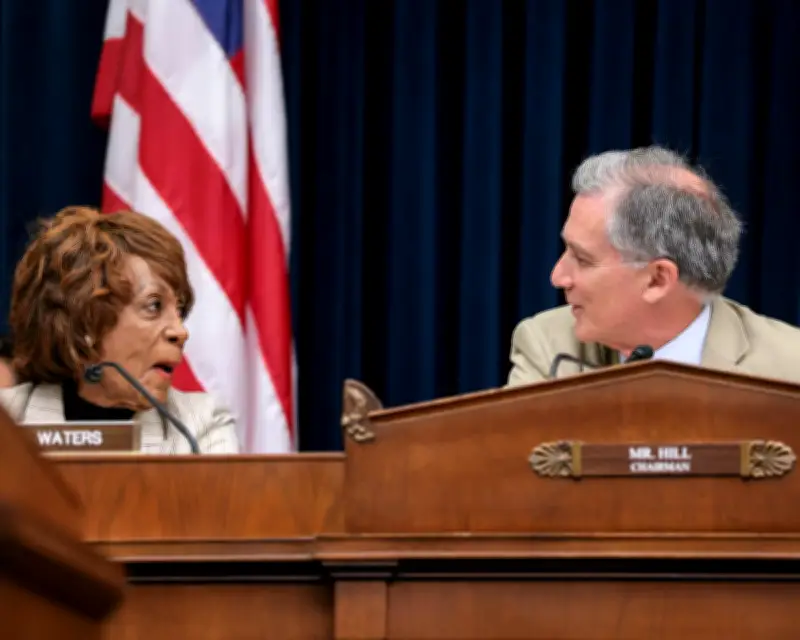
Maxine Waters, a California Democrat who helped negotiate the bill, noted that the median age of a first-time homebuyer is now 40, and rents have soared about 47% since the Covid-19 pandemic. “Our country must do better and today we will,” she said.
Bipartisan Effort
Dozens of bills were combined to create the final package after months of negotiations, creating a rare moment of bipartisanship in a congressional session plagued by bitter standoffs. House Financial Services Chairman French Hill, an Arkansas Republican who worked with Waters and the Senate on the bill, said it was the first time in years that Congress had come together to make “measurable, accountable changes” to the nation’s housing laws. The bill would “help build more homes to meet that growing demand and keep the American dream within reach,” he said.
Key Provisions
The legislation expands financing, encourages innovative housing like modular homes, requires new renter protections, and enhances programs aimed at ending homelessness. It also offers funding to local governments that build more housing, including Community Development Block Grant money to places exceeding the median rate of homebuilding. New dollars are provided for communities to turn abandoned infrastructure into housing, and a framework is offered for communities wanting to reform outdated zoning regulations that often limit larger housing developments.
Additionally, the bill raises limits on the number of public housing units that can receive financing for renovations and codifies a recovery program to expedite funds to communities rebuilding after disasters. However, it does not include a Senate provision that would have required investors to sell newly constructed homes within seven years.
Context and Impact
Republicans and Democrats have embraced the bill as a way to show they are addressing the nation’s affordability crisis, driven in part by rising home prices due to a shortage of affordable housing. The US housing market has been in a slump since 2022, when mortgage rates began climbing from pandemic-era lows. Sales of previously occupied homes have been hovering close to a 4 million annual pace since 2023, well short of the 5.2 million annual pace that has historically been the norm. Sales slowed last year to a 30-year low and have remained sluggish, declining in January and February versus a year earlier.
The Economic Report of the President in April found a shortage of 10 million homes, while a report from the Joint Center for Housing Studies at Harvard University this month found sales of existing homes at three-decade lows and inventories rising due to high home-buying costs. “Cost burdens for both renters and owners continue to climb, while assistance remains profoundly underfunded,” the report said. While the median US monthly rent has been declining for nearly three years, it was still 17.2% higher in May than before the pandemic, according to Realtor.com.
Widespread Support
The legislation drew widespread support from organizations representing landlords and large property owners, as well as groups advocating for tenants and low-income renters. It also brought together Republicans and Democrats, many of whom noted the unusual level of bipartisanship ahead of the vote. “In this polarized and angry Congress,” said Democratic Representative Jim Himes of Connecticut, “we are actually getting something done.”