

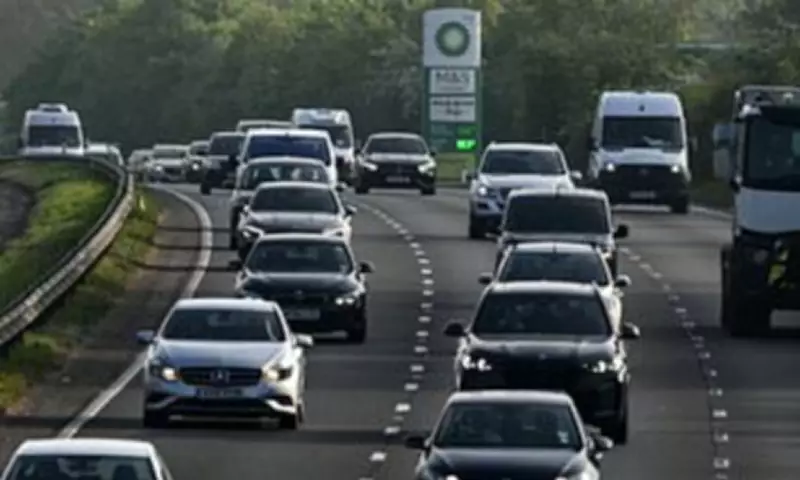
Petrol prices in Britain have surged to a new peak since the onset of the Iran conflict, with experts cautioning that further increases are expected in the coming weeks. The average price of unleaded petrol now stands at 158.52p per litre, marking a 25.7p or 19.3% rise since February 28, when the war began, according to the RAC.
Recent Price Trends
The previous peak was recorded over a month ago on April 15 at 158.31p, after which prices fell by more than a penny until early May, when they began climbing again. Analysis of wholesale fuel data by the RAC indicates that unleaded petrol is likely to rise to at least 160p per litre in the near future, unless there is a 'dramatic and sustained drop' in the price of oil, which has remained above $100 (£75) per barrel since late last month.
Impact of Oil Prices
Oil prices, which significantly influence wholesale fuel costs, have soared due to Iran's restrictions on tanker movements through the Strait of Hormuz. Meanwhile, the wholesale price of diesel in the UK has decreased notably since its peak on April 15, with pump prices falling by 5.6p to 185.92p. This brings diesel to its lowest level since early last month, well below the peak when it was 49.2p more expensive than at the end of February.

Government Response
RAC head of policy Simon Williams commented: 'The news that petrol has climbed to a new wartime high comes in a week when the Chancellor is thought to be on the point of scrapping plans to increase fuel duty by a penny in September. This would have been the first step in reversing the 5p fuel duty cut that's been in place since the Ukraine war. If she decides to keep fuel duty at the current rate of 52.95p per litre, it will be a relief for drivers as our research shows they have been struggling with the higher cost of filling up.'
Market Investigation
At the start of May, an investigation by the Competition and Markets Authority (CMA) found that soaring fuel prices amid the war were driven by higher oil costs rather than retailers increasing margins. The watchdog stated that the difference between the price retailers pay for fuel and the price they sell it at—known as fuel margins—has been 'broadly unchanged' since the conflict began on February 28. However, the CMA noted increased fuel margins in March 'for a minority of retailers' and committed to investigating these cases. It also highlighted that fuel margins in March were close to or equal the average of 107p per litre seen last year, indicating they remain at 'historically high levels' and reflecting 'ongoing concern about a lack of competitive pressure.'






