UK inflation has risen to its highest level for a year, pushed up by petrol and diesel costs and changes to tobacco duty, according to new figures. The rate of Consumer Prices Index (CPI) inflation was 3.6% in October, up from 3.5% in September, the Office for National Statistics (ONS) said.
The reading was in line with economists' predictions and marks the fourth consecutive monthly increase. It moves inflation further away from the Bank of England's 2% target, amid warnings from the Bank earlier this month that inflation could keep rising to a peak of around 5% next year.
Fuel and tobacco drive the rise
ONS chief economist Grant Fitzner said: "Inflation rose slightly in October, with fuel prices once again a major contributor to the increase in the annual rate." He added: "Annual costs of both raw materials and goods leaving factories continue to climb, driven by higher crude oil and petrol prices, respectively."
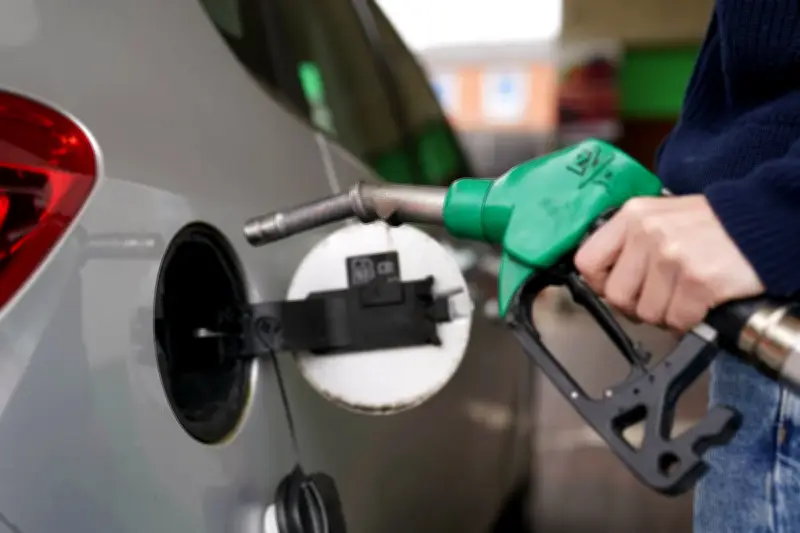
The latest figures showed that the average price of petrol rose by 5.2 pence per litre between September and October, as tensions in the Middle East continued to push oil prices higher. Diesel prices rose by 7p per litre in October to an average price of 199.5p per litre – the highest since ONS records began in 1996. Nevertheless, petrol and diesel prices have both eased back in November as oil prices moved lower following the US midterm elections.
Another driver of inflation was higher tobacco costs for smokers after duty rates were increased at the start of the month. The duty rise added around £1.21 to an average pack of 20 cigarettes, according to HMRC data. Tobacco prices rose 5.2% for the month and were 12.4% higher year-on-year as a result, marking the highest inflation rate for almost two years.
Energy and food price trends
The increase in inflation also came after the Ofgem energy price cap increased by 4% in October, while changes in the calculation of the cap contributed to higher household gas costs. Elsewhere, food and non-alcoholic drink inflation slowed further to its lowest level for more than five years, at 0.8%. Statisticians said food price inflation eased to 0.2%, highlighting a contribution from cheaper chocolate as prices in the category dipped by 2.9%. Experts said this was potentially linked to both falling cocoa prices and increased discounting from retailers.
The latest consumer price inflation data comes after separate ONS figures released on Tuesday showed that regular earnings growth eased back to 3.5% in the three months to September. It suggests that the rising cost of living is on track to surpass wage growth in the coming months.
Government response
Chief Secretary to the Treasury Emma Reynolds said: "The conflict in the Middle East and Russia's illegal invasion of Ukraine have pushed up costs around the world." She added that the Budget also started the long-term action needed to get energy costs down for good, including an end to levies on household bills, scrapping standing charges and ensuring Britain is better protected from global shocks in the future.