UK inflation dropped to 3% in January, its lowest level in ten months, driven by falling petrol prices, lower air fares, and a slowdown in food price rises. The Office for National Statistics reported that the consumer price index (CPI) fell from 3.5% in December, marking a significant easing of price pressures.
The decline has strengthened expectations that the Bank of England will cut interest rates at its next meeting in March. Money markets now indicate an 86% probability of a reduction from the current Bank rate of 3.75% to 3.5%. Several economists, including Yael Selfin of KPMG UK, believe the data paves the way for a March cut, with further reductions possible later in the year.
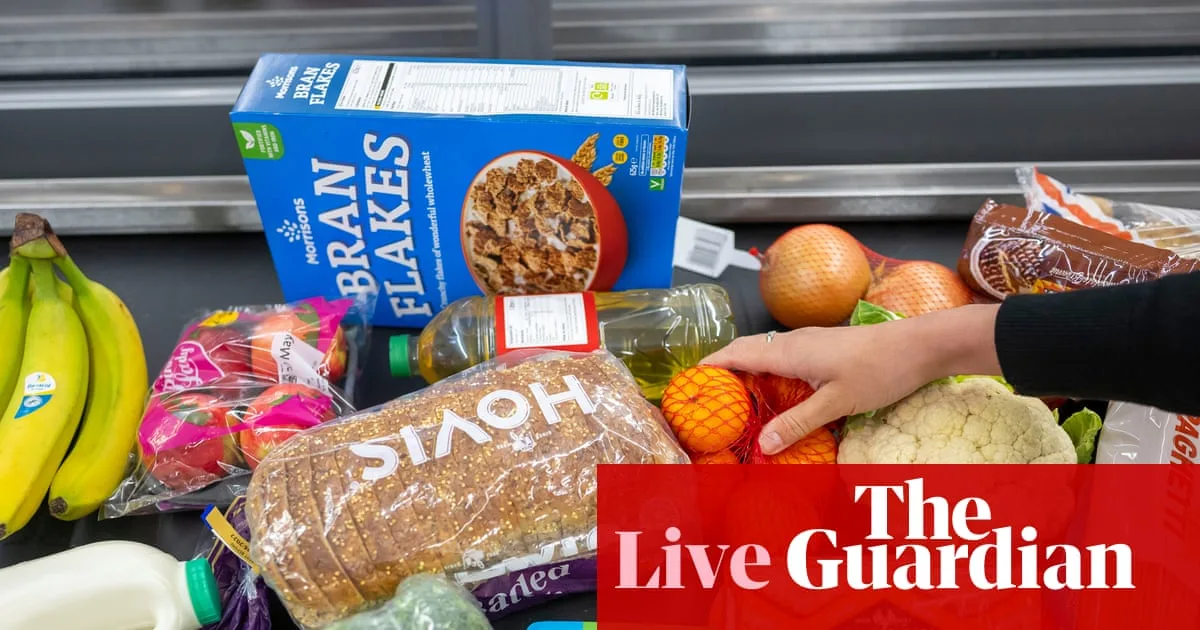
Food inflation slowed sharply to 3.6% in the year to January, down from 4.5% in December, reaching a nine-month low. Petrol and diesel prices fell by 2.2% over the year, with average petrol prices dropping 3.1p per litre between December and January to 133.2p. The FTSE 100 hit a record high following the inflation announcement.
The Bank of England's latest monetary policy committee vote was 5-4 to hold rates, with hawk Catherine Mann signalling a shift towards supporting a cut. The Bank now expects CPI to fall to 2.1% by the second quarter of 2026 and to dip below target to 1.7% next year. TUC general secretary Paul Nowak urged a series of quick rate cuts to boost household finances and business confidence.