

UK Households Forced to Raid Savings as Economic Confidence Plummets
A stark new survey reveals that nearly half of all British households are being compelled to dip into their savings, sell personal possessions, or borrow money simply to cover the fundamental costs of everyday living. This distressing financial reality emerges as consumer confidence in the United Kingdom has plunged to its lowest levels since the conclusion of 2022, with a palpable 'ripple of fear' spreading regarding the impacts of the ongoing Middle East conflict.
Consumer Confidence in Freefall
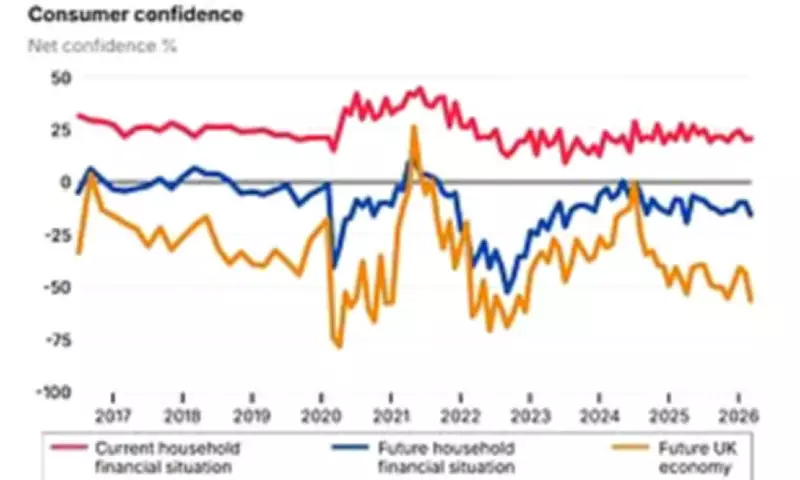
The Consumer Insight Tracker from Which? has documented a dramatic decline in confidence concerning the future of the UK economy, plummeting by thirteen points to a worrying -56 during February and March. For context, during the peak of the pandemic, confidence fell to -78 in 2022, and it reached -70 during the intense cost of living crisis of the same year. While those extreme levels have not been matched, this significant drop underscores a growing strain on numerous households and a pervasive fear that rising expenses for food, petrol, utilities, and mortgage bills are becoming unsustainable.
An overwhelming two-thirds of UK adults, precisely 67%, stated they anticipate the economy will deteriorate over the next twelve months. In stark contrast, a mere 12 percent believe any improvement is on the horizon. This pessimistic outlook is translating directly into financial distress for families across the nation.

Savings Become a Lifeline, Not a Safety Net
Approximately half, or 49%, of households report being forced to make at least one significant adjustment to alleviate mounting financial pressure. The latest findings indicate a troubling shift in how Britons view their savings: many now perceive them as a lifeline for immediate survival rather than a safety net for future emergencies.
A substantial quarter of households, 26%, admit to regularly accessing money set aside for emergencies to bridge the widening gap between their stagnant income and the escalating cost of essential goods and services. This marks a concerning departure from the end of 2025, when indicators suggested financial stress was beginning to decline across the population.
Confidence in the future of household finances has also hit its lowest point since April of the previous year, falling five points this month to -15. Survey respondents explicitly linked their anxieties about future financial stability to the conflict in the Middle East and its subsequent impact on global fuel prices.
Voices from the Front Lines
One woman from Yorkshire and Humberside shared her perspective with Which?, expressing a belief that the repercussions of the war would be felt in every sector of the economy. She noted that a 'much greater percentage' of her income is now required merely to maintain her current standard of living, highlighting the pervasive nature of the economic squeeze.
Sue Davies, head of consumer protection policy for Which?, commented on the findings: 'Our research shows a concerning shift in consumer sentiment, with confidence in the economy hitting its lowest point in years as households face a daunting combination of rising prices and global instability. Millions are now being forced to dip into savings or sell possessions just to keep up with the cost of everyday essentials.'
Davies added a note of caution and advice: 'Pressure on budgets is becoming unsustainable for many. We would encourage anyone who is struggling to keep up with their bills to speak to their providers as soon as possible and seek free, independent debt advice.'
Broader Economic Indicators Confirm the Trend
These alarming findings from Which? arrive just days after GfK's long-running consumer confidence index reported that people are increasingly hesitant to spend their money. The overall index dropped two points to -21 this month. Furthermore, GfK's major purchase index, a key indicator of confidence in buying big-ticket items like appliances or cars, fell four points to minus 18, which is one point lower than the same period last year.

Neil Bellamy, consumer insights director at GfK, provided analysis: 'People simply do not feel the economy is robust enough to ride out the knock-on effects from the Middle East conflict. The decline in purchasing intentions indicates people are holding on to their money, reflecting deep-seated uncertainty and a defensive financial posture.'
The collective data paints a picture of a nation under significant economic pressure, where household resilience is being tested daily, and confidence in both the national economy and personal financial futures has reached a critical low point.





