

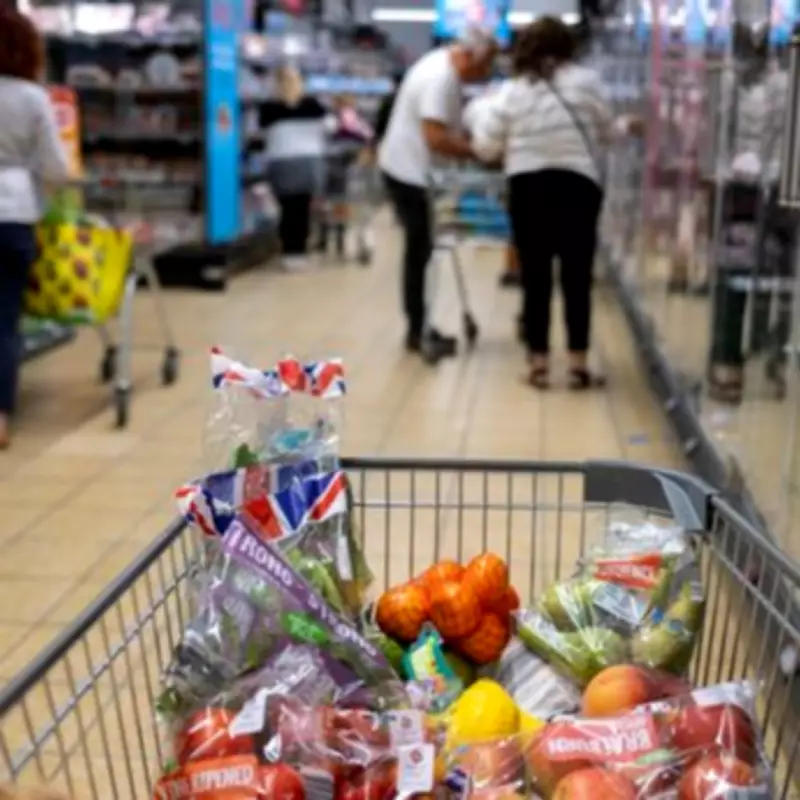
Households in the United Kingdom are set to endure persistently elevated prices for essential food items such as bread and pasta, even following a resolution to the conflict in Iran, according to a new report. The analysis, conducted by the Energy and Climate Intelligence Unit (ECIU), indicates that while the war in the Middle East has driven up costs, the subsequent easing of hostilities will not lead to a rapid decline in supermarket prices.
Price shocks have lasting impact
The ECIU's research, which draws on over three decades of UK data, reveals a troubling pattern: food prices tend to surge rapidly during crises but descend only slowly and partially afterward. On average, shelf prices fall by merely 1% of the original increase after six months, 5% after a year, and 7% after two years. When adjusted for wages, only about 35% of the affordability shock is reversed within two years. This phenomenon is described as a 'rocket and feathers' effect, where prices shoot up like rockets but drift down like feathers.
Current drivers of food inflation
The current wave of food price increases is attributed to two major factors: the Middle East conflict, particularly the war in Iran, and the extreme El Niño weather pattern. The ECIU notes that El Niño has a pronounced impact on commodities such as cocoa, food oils, rice, and sugar, with wider implications for products including bananas, tea, coffee, chocolate, and soy-fed meat. Additionally, the conflict has pushed up the cost of oil, gas, and fertiliser, which are essential for growing, shipping, and processing food.

Chancellor Rachel Reeves recently announced 'targeted cuts' to food tariffs, which the Labour government claims could reduce the cost of certain items like biscuits, chocolate, dried fruit, and nuts. However, the ECIU warns that such measures may offer only limited relief given the structural challenges in the food supply chain.
Long-term outlook and expert warnings
A previous ECIU report suggests that UK food prices are on track to be 50% higher by November 2026 compared to levels at the start of the cost of living crisis in mid-2021. Chris Jaccarini, ECIU food and farming analyst, stated: 'Shoppers feeling that prices are on a never-ending escalator upwards is borne out by the data. War and extreme weather are increasingly pushing up the cost of the weekly shop.' He emphasised that the only way to mitigate these risks is to reach net zero emissions and stabilise the climate, which would also help shield food prices from volatile global markets.
Henry Dimbleby, former lead of the government's National Food Strategy, added: 'Food inflation has been brutal – and it will keep biting unless we tackle the underlying causes. Our food system is tightly tied to energy, fertiliser and transport costs, and we have built too little resilience into supply chains and production. As climate change and energy volatility worsen, shocks are likely to become more frequent and more severe. Unless we cut our reliance on fossil fuels, diversify supply chains and build real resilience into food production, higher food prices will become a lasting feature of daily life, with the heaviest burden falling on those least able to bear it.'






