The UK economy expanded by only 0.1% in the final three months of 2025, the same rate as the previous quarter and below the 0.2% rise economists had expected, according to official figures. Falling business investment and weak consumer spending contributed to the sluggish performance, leaving little momentum going into 2026.
The Office for National Statistics said the economy grew by 1.3% over 2025 as a whole, an improvement on the 1.1% recorded in 2024 but worse than the 1.5% official forecast. Output rose by 0.1% in December, slowing from 0.2% in November, which was revised down from 0.3%.
The dominant services sector, which accounts for about 80% of the economy, showed no growth in the fourth quarter. Instead, the production sector provided the main boost, rising 1.2%, while construction contracted by 2.1% – its worst performance in more than four years, the ONS said. Liz McKeown, the ONS director of economic statistics, noted that “the often-dominant services sector showed no growth, with the main driver instead coming from manufacturing.”
Business investment fell by 2.7% in the quarter, while consumer spending grew by just 0.2%. The figures corroborate earlier surveys indicating activity slowed ahead of the autumn Budget, as households and companies delayed decisions amid speculation about tax rises. Ruth Gregory, deputy chief UK economist at Capital Economics, said: “The big picture is that private sector activity still appears to be extremely subdued.”
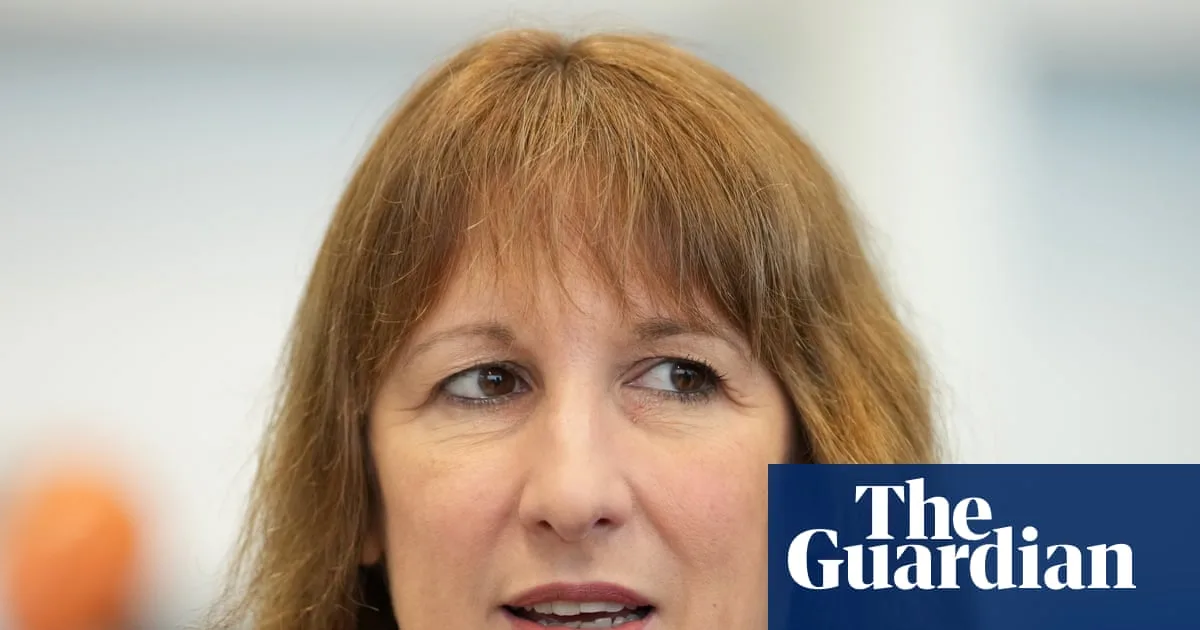
The economy had grown relatively strongly in the first half of 2025, with quarterly expansions of 0.7% and 0.3%, but was later hampered by a cyber-attack on Jaguar Land Rover and pre-Budget uncertainty. Suren Thiru, economics director at the Institute of Chartered Accountants in England and Wales, said the figures confirmed that the UK “ended 2025 with a whimper”. However, more recent January surveys suggest sentiment has picked up, with economists expecting 0.4% growth in the first quarter of 2026. Chancellor Rachel Reeves is expected to reaffirm her growth strategy, dubbed “securonomics”, in a forthcoming speech, focusing on opportunities in AI and closer EU ties.