The UK economy grew by 0.3% in March, surprising economists who had predicted a 0.2% contraction, according to the Office for National Statistics (ONS). Quarterly growth reached 0.6%, making Britain the fastest-growing economy in the G7, and the economy expanded by 1% year-on-year.
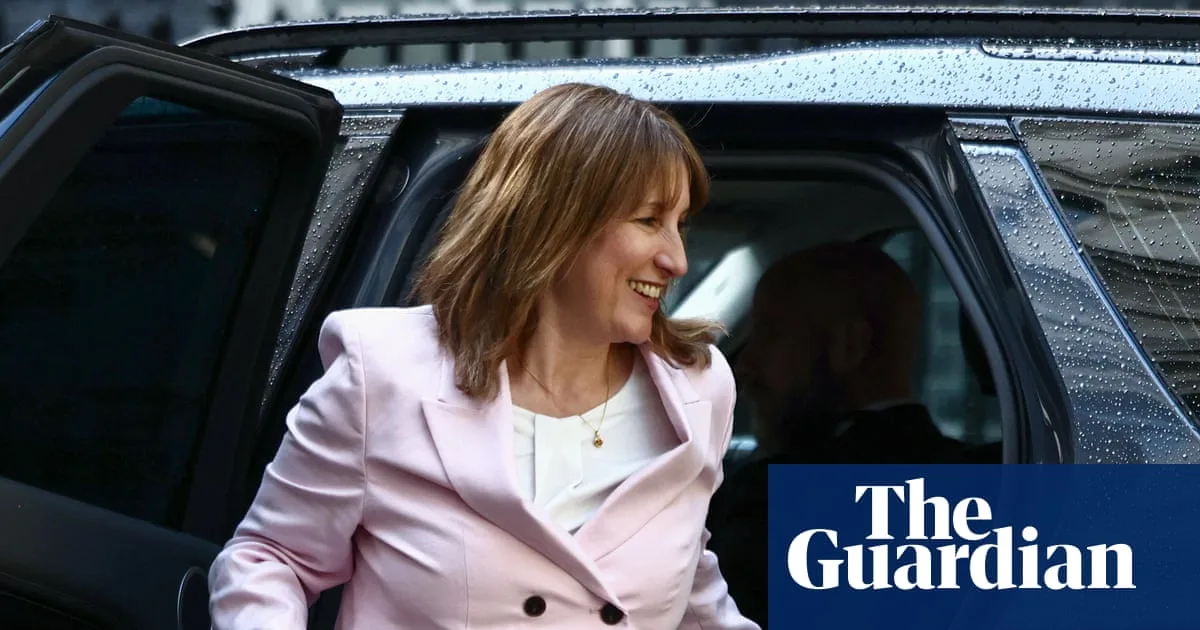
Chancellor Rachel Reeves seized on the figures as evidence that the Labour government's economic strategy is working. In a pointed reference to internal party turmoil, she stated: “Now is not the time to put our economic stability at risk. To do so would leave families and business worse off.”
The services sector drove growth, rising by 0.8%, with computer programming and advertising performing particularly well. Construction grew by 0.4%, though this was driven by repair and maintenance rather than new projects. However, travel agencies and tour operators saw a 6.4% monthly decline, attributed to the Iran war affecting holiday plans.
Economists cautioned that the growth might be short-lived. Ruth Gregory of Capital Economics noted: “The economy performed remarkably well in the early stages of the energy price shock … but this will be the high point for the year.” KPMG's Yael Selfin added: “The adverse effect of the war in Iran on the economy is likely to show in the second quarter.”
Despite the positive start, concerns remain that some growth may stem from stockpiling ahead of potential supply disruptions and higher borrowing costs. Business surveys such as the purchasing managers index (PMI) showed continued momentum in April, but the full impact of the Middle East conflict is expected to emerge in coming months.