The UK economy expanded by just 0.1% in the final quarter of 2025, according to official figures from the Office for National Statistics (ONS), missing economists' expectations of 0.2% growth. The sluggish performance was driven by falling business investment and weak consumer spending, with the dominant services sector recording no growth at all.
Business investment dropped by 2.7% in the quarter, while consumer spending rose by a meagre 0.2%. The construction sector shrank by 2.1%, its worst performance in four years. The only positive contribution came from the production sector, which grew by 1.2%. Overall, the economy grew by 1.3% in 2025, up from 1.1% in 2024 but below the official forecast of 1.5%.
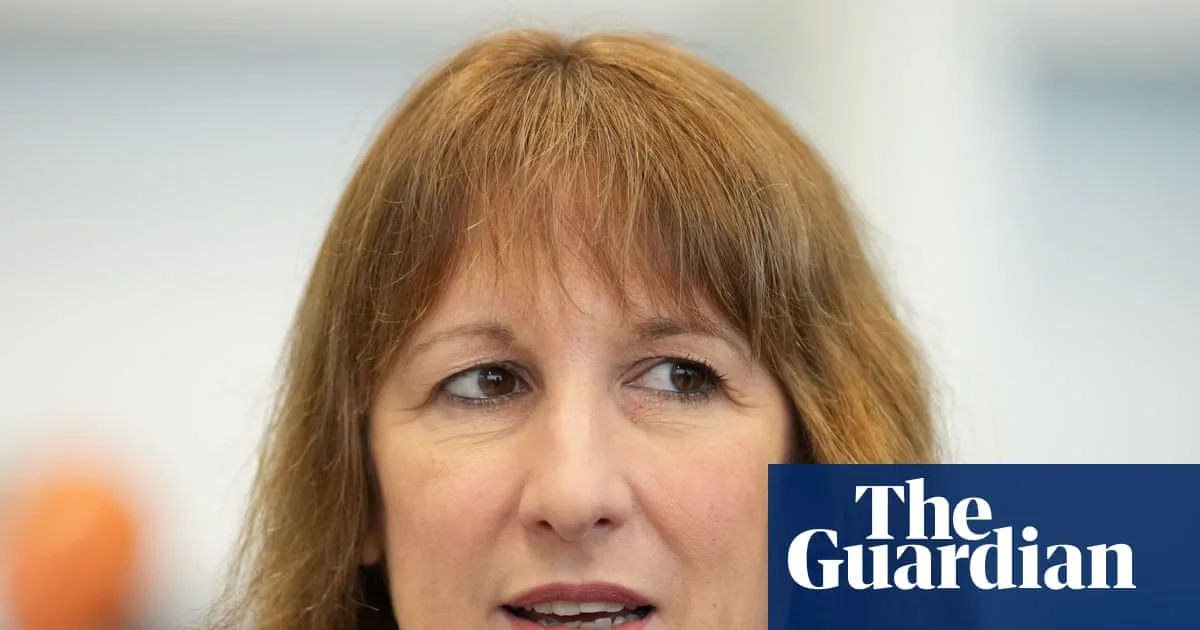
Chancellor Rachel Reeves is expected to deliver a major speech in the coming weeks, reaffirming her commitment to the government's growth strategy and reviving the term 'securonomics'. Treasury sources indicated that priorities for 2026 will include artificial intelligence opportunities and closer ties with the European Union.

The data comes amid revelations that Health Secretary Wes Streeting told former US ambassador Peter Mandelson that Labour had 'no growth strategy at all'. Meanwhile, the Office for Budget Responsibility had forecast GDP growth of 1.5% for 2025 and 1.4% for 2026, but low productivity growth may hinder long-term expansion.
Economists noted that the budget uncertainty in late 2025 weighed on activity, with businesses delaying investment and households curbing spending. However, January surveys suggest a pickup in sentiment, and first-quarter 2026 growth is expected to reach 0.4%. Experts urged the chancellor to avoid further policy changes that could spook businesses.