The UK economy expanded by only 0.1% in the final quarter of 2025, according to official data from the Office for National Statistics (ONS), missing economists' expectations of 0.2% growth. The figure matched the previous quarter's subdued performance, with weak consumer spending and a sharp fall in business investment dragging on activity.
Business investment dropped by 2.7% in the quarter, while consumer spending grew by a meagre 0.2%. The dominant services sector recorded no growth, and construction output fell by 2.1% – its worst performance in four years. The modest expansion was driven by a 1.2% rise in production, including manufacturing.
For the full year 2025, GDP grew by 1.3%, an improvement on 1.1% in 2024 but below the 1.5% forecast by the Office for Budget Responsibility. The data suggests the economy lost momentum in the second half of the year, partly due to a cyber-attack on Jaguar Land Rover and uncertainty ahead of the autumn Budget.

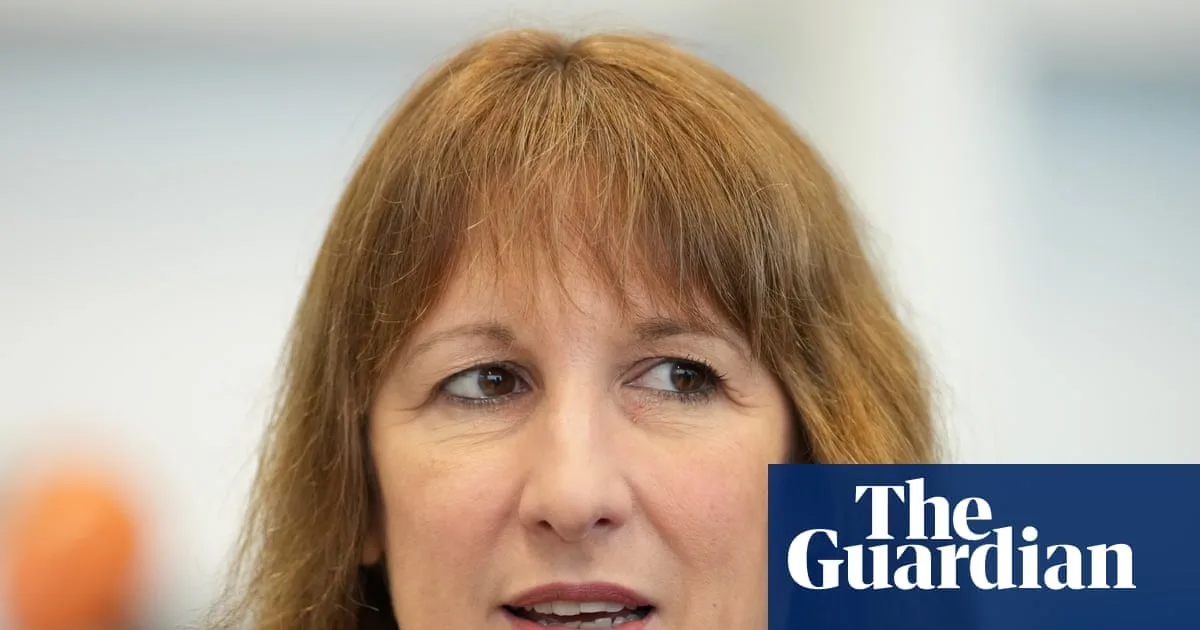
Chancellor Rachel Reeves is expected to reaffirm her growth strategy in a forthcoming speech, reviving the term “securonomics” and highlighting opportunities in AI and closer EU ties. Treasury sources said she remains an “optimist” about technology and will set out priorities for 2026.
Economists noted that business and consumer sentiment improved in January, with first-quarter 2026 growth forecast at 0.4%. However, the Institute of Chartered Accountants' Suren Thiru said the figures confirmed the UK economy “ended 2025 with a whimper”, as Budget uncertainty severely curtailed trade and investment.