The number of UK businesses facing significant financial distress has reached a record high, according to new research published ahead of the Chancellor's Budget statement.
Some 738,144 businesses were in "significant" distress during the third quarter of 2026, according to the latest quarterly "red flag alert" report from insolvency firm BTG. This marks a 1.6% rise compared with the same period last year and the highest level since the research began in 2004.
Sharp rises in property and construction
Of the 22 sectors monitored, 20 saw an increase in significant distress levels. Signals drawn from businesses' accounts, legal and financial data indicate that firms are grappling with deteriorating financial health.
The real estate and property sector saw significant distress levels surge by a tenth year-on-year to nearly 100,000 businesses, while construction climbed by almost 5% to 108,340. The hospitality industry also faced mounting strain ahead of the Christmas trading period, with significant distress rising by 5% among bars and restaurants and by 7% among food and drug retailers.
Critical distress falls
While more businesses are operating with limited financial headroom, the research revealed a decline in the number of firms on the verge of collapse. There were 44,033 businesses in critical financial distress, a drop of nearly 21% compared with the same period last year.
Julie Palmer, managing partner at BTG, said: "Record levels of 'significant' financial distress underline just how many businesses are approaching the autumn Budget with limited financial headroom."
"While firms will naturally be looking for clarity on taxation and economic policy, many of the pressures they face extend well beyond any single Budget announcement," she added. She noted that her "real concern" centred on consumer-facing sectors such as leisure and hospitality, especially heading into the Christmas period.
Budget expectations
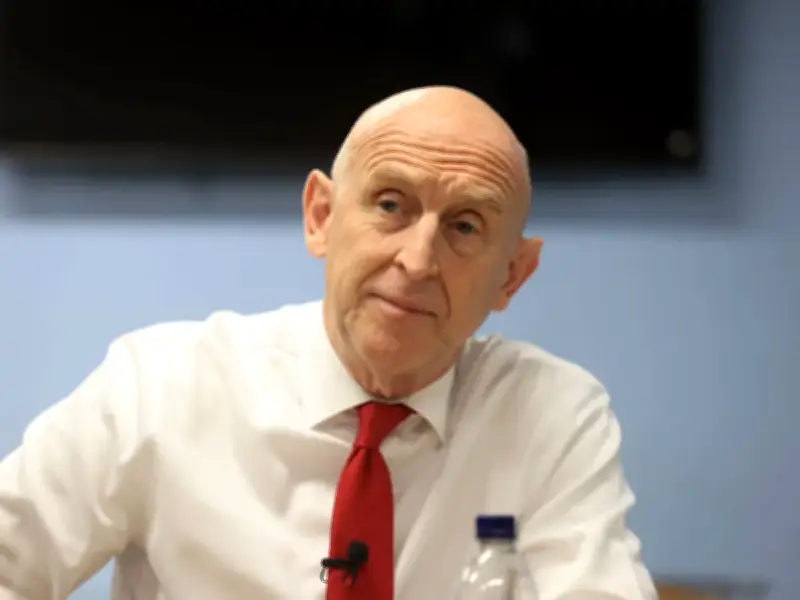
Chancellor John Healey has pledged to provide families and businesses with "breathing space" at Wednesday's Budget. This comes against a backdrop of rising inflation in the UK, with energy bills expected to climb further in January as the impact of the Middle East energy shock continues to feed through into the cost of living.
Mark Fry, BTG's group chief executive, said businesses were asking whether the Budget can "support confidence and encourage investment against a backdrop of persistent inflation and elevated interest rates".
"We hear from businesses that structural hurdles, weight of red tape, employment legislation and the tax burden alongside high interest and energy costs will need to be tackled if this is to be a Budget for business," Fry said. "It is by no means an easy task."