

Good morning, and welcome to our rolling coverage of business, the financial markets and the world economy.
UK government borrowing hit its second-highest level for April on record, as pressure on public finances continues to grow. There was a £24.3bn deficit in the UK’s finances last month, official figures showed on Friday. A poll of economists by Reuters had suggested there would be a £20.9bn deficit for the month.
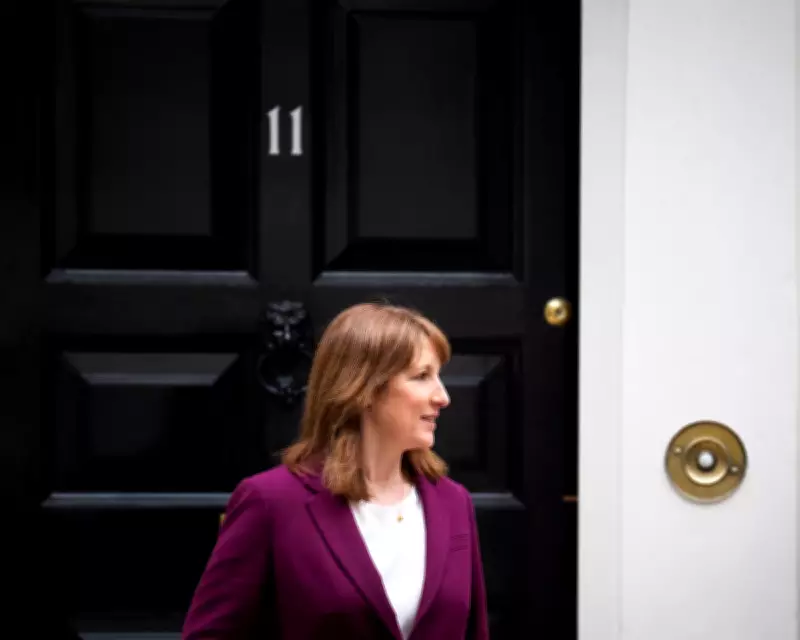
It will be unwelcome news for the chancellor Rachel Reeves, as the government braces for the full effect of the energy shock in the Middle East and grapples with uncertainty around the Keir Starmer’s leadership.

Grant Fitzner, chief economist at the Office for National Statistics, said: “Borrowing this month was substantially higher than in April last year and although receipts increased compared with April 2025, this was more than offset by higher spending on benefits and other costs. Borrowing for the latest full financial year was revised down slightly, and on a comparable basis remains the lowest since the year ending March 2020.”
Lucy Rigby, chief secretary to the Treasury, said: “Earlier this week the IMF agreed we had the right economic plan to reduce the deficit. We are cutting borrowing and debt – with our actions reducing government borrowing by over £20 billion last year - while driving growth through £120 billion of additional capital investment over the Parliament. Working families have benefited from falls in inflation and cuts to interest rates - and our non-negotiable fiscal rules will be all the more important to continue to protect them as we face the consequences of the war that we have played no part in.”
The ONS has also published new figures for retail sales this morning, which showed a 1.3% drop in volumes in April, as more people cut back on their fuel purchases. That compares with an expected fall of 0.6%, according to Reuters.
Fitzner said: “After strong growth last month, motor fuel sales fell in April, with evidence suggesting motorists were conserving fuel after stocking up in March. These subdued fuel purchases contributed to a sizeable monthly fall for total retail sales in April.” Fuel sales were down 10% in the month, the ONS found. Retail sales excluding fuel declined 0.4% on the month, down across all categories apart from food, where there was a 0.9% rise.
The agenda: 7am BST: UK retail sales; 7am BST: ONS public finances for April; 3pm BST: University of Michigan survey of US consumer confidence.






