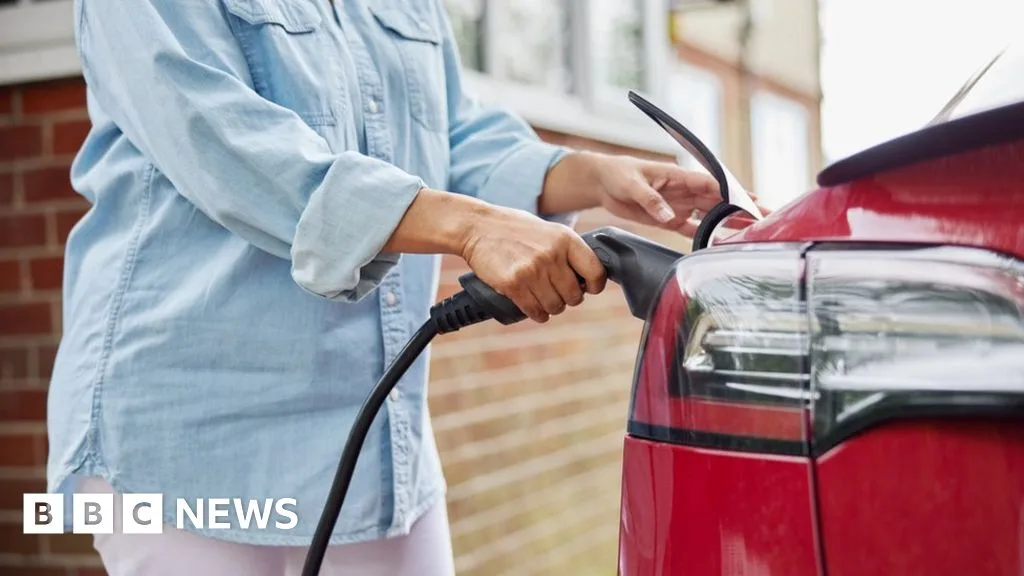
New rules mean it should be easier and cheaper for EV drivers to plug in at home, thanks to Government changes to England driveway EV charger regulations and additional incentives coming into force.
Planning Permission Relaxed
Planning rules have already been relaxed for some home and business EV chargers, cutting the need for a planning application in certain cases. And now renters, flat owners, landlords, households with on-street parking and businesses can claim more help towards the cost of fitting a charge point.
The Government has increased the grant from £350 to £500, which it says could cover almost half the cost of a typical installation. The higher grant is available until March 2027, which is expected to be the final year of the scheme.
Permitted Development Rights
The big change for many homeowners in England is around permitted development rights. These allow certain work to be carried out without applying for planning permission, if the installation meets the rules. Changes to the planning system that came into force in 2025 made it easier to install off-street EV charge points, including removing some limits on where wall-mounted chargers can be placed. That means more households with a driveway or other private parking space should be able to fit a charger without getting caught up in extra planning paperwork.
For those with a driveway, that could make the switch to electric feel a bit less complicated. A home charger remains one of the biggest perks of EV ownership, especially for drivers who can plug in overnight on a cheaper electricity tariff.
Help for On-Street Parking
But the Government is also trying to tackle the much trickier question of what happens if you do not have a driveway at all. Under the latest grant rules, households with on-street parking can claim up to £500 towards a charger if they are also installing an approved cross-pavement charging solution, such as a cable channel or gully. The grant covers 75 per cent of the cost of buying and installing a socket, up to that £500 maximum.
There is a catch, though. This is not permission for drivers to trail charging cables across the pavement. The Government’s own grant rules say temporary solutions such as cable covers or mats do not count, and applicants need permission from their local highways authority for the cross-pavement work.
The Government has also consulted on further planning changes that would bring cross-pavement charging solutions into permitted development rights. If introduced, that would remove the need for a separate planning application in some cases, although councils would still retain highways powers and could refuse permission where a pavement channel is not suitable.
Ministerial Statement
Aviation, Maritime and Decarbonisation Minister, Keir Mather said: “We’re taking action to make EV ownership the affordable choice for everyone – not just those with driveways. Bigger grants mean families, flat owners, renters and small businesses can now install a charger for almost half the usual cost, with home charging costing as little as 2p a mile.
“Combined with our Electric Car Grant which has saved over 55,000 drivers thousands off the price of a new EV whilst boosting sales for carmakers, and record funding for our national public charging network, we’re backing the EV revolution for drivers, businesses, and industry.”
At that 2p per mile rate, the Government says claims EV drivers could save up to £1,400 in running costs compared with a similar petrol car when using cheaper domestic electricity rates.
It is also simplifying the grant system, cutting eight grant types down to five to make it easier for people and businesses to determine what support is available. Schools can claim grants of up to £2,000 per socket, while landlords can also claim help across eligible properties.
Industry Reaction
Mel Lane, CEO at Pod Point, a charge station company, said: “Access to affordable EV charging is a crucial part of the transition, which is why we welcome the extension and boost to OZEV’s charging grants for renters, landlords, flat owners, and businesses. Those eligible should consider applying for the grants in their final year, future-proofing homes and businesses as the UK electrifies.”
Remaining Challenges
The changes will not fix every charging headache in one go. Drivers without driveways will still need their council to approve any cross-pavement solution, and installing a street-side charger does not guarantee them a parking space outside their home. Not every council in England will approve a cross-pavement parking solution, either. For example, the Royal Borough of Kensington and Chelsea told The Independent: “We do not allow cross-pavement charging in Kensington and Chelsea,” but did not expand on the reason why.
But with planning rules easing, grants rising and more attention being paid to the millions of households without off-street parking, the Government is hoping home charging will no longer be just for people with a driveway.