

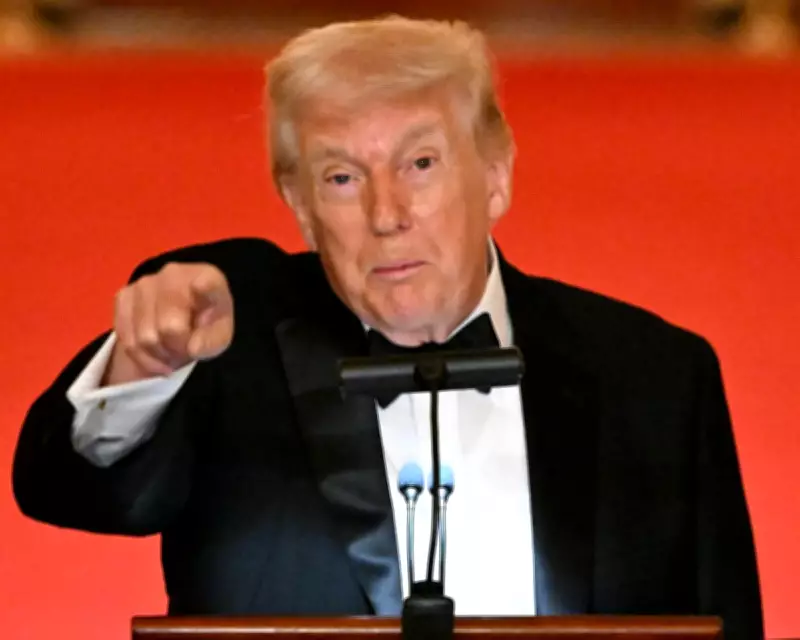
Economists are raising alarms that former President Donald Trump's proposed trade tariffs could inadvertently undermine his own ambitions for substantial interest rate reductions in the United States. As Trump campaigns on a platform of aggressive economic policies, his plans to impose sweeping tariffs on imports threaten to reignite inflationary pressures, creating a complex dilemma for the Federal Reserve.
Inflationary Pressures from Tariffs
The core issue lies in the potential for tariffs to drive up consumer prices. By increasing the cost of imported goods, these measures could lead to a surge in inflation, which has been a persistent concern for policymakers in recent years. Higher inflation typically forces central banks to maintain or even raise interest rates to curb spending and stabilise the economy, rather than cutting them to stimulate growth.
Federal Reserve's Conundrum
The Federal Reserve, tasked with managing monetary policy, faces a precarious balancing act. On one hand, there is political and market pressure to lower interest rates to support economic expansion and reduce borrowing costs. On the other hand, if tariffs fuel inflation, the Fed may be compelled to keep rates higher for longer to prevent the economy from overheating. This scenario could directly conflict with Trump's stated goal of achieving "hefty" rate cuts to boost investment and consumer spending.

Historical Context and Economic Warnings
Past trade disputes, such as those during Trump's previous administration, have shown that tariffs can lead to increased costs for businesses and consumers alike. Economists point to these precedents as cautionary tales, suggesting that a renewed trade war could disrupt global supply chains and exacerbate price rises. Such outcomes would not only hinder the Fed's ability to cut rates but also potentially slow economic growth, counteracting any intended benefits from the tariffs.
Market Reactions and Future Outlook
Financial markets are closely monitoring the situation, with investors wary of the dual risks of inflation and trade tensions. Uncertainty over the Fed's policy direction could lead to volatility in bond and equity markets. As the political landscape evolves, the interplay between trade policies and monetary decisions will be critical in shaping the US economic trajectory in the coming years.






