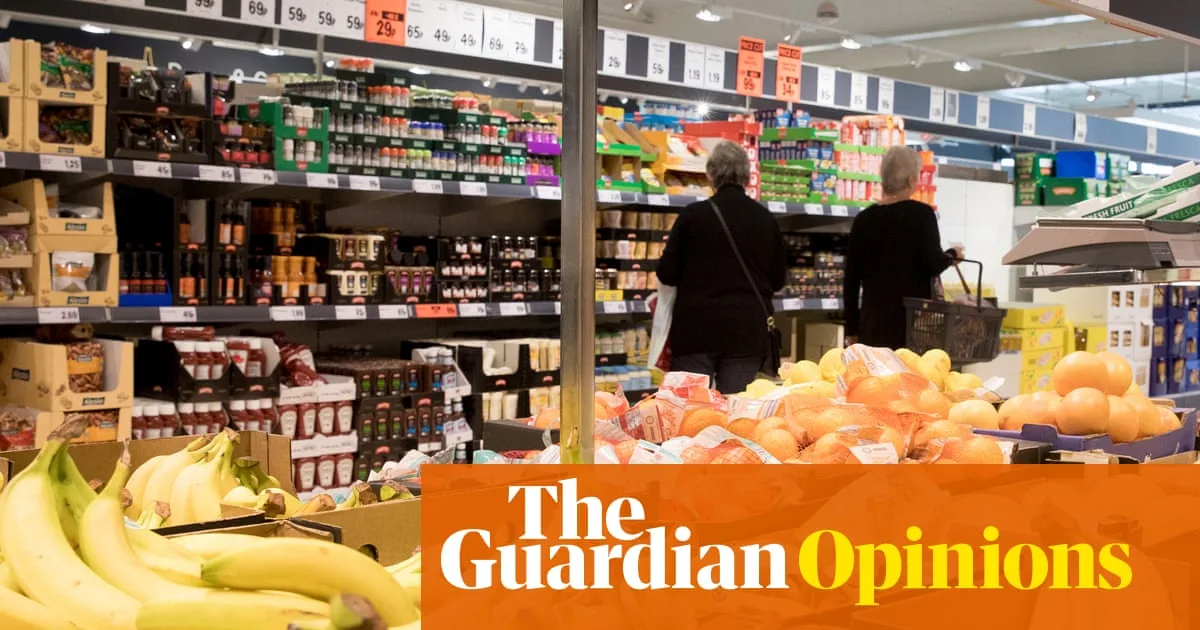
The Treasury's proposal for voluntary price caps on basic food items has been labelled 'completely preposterous' by Marks & Spencer chief executive Stuart Machin, while City analyst Clive Black at Shore Capital accused the government of 'losing its mind in an orgy of neo-Soviet policy ideas'. However, the proposal is unlikely to materialise, with Treasury ministers barely defending it and ruling out a mandatory scheme.
Food inflation stood at 3% in April, and while it is expected to rise due to increasing energy, transport, and fertiliser costs, the UK is not in a state of emergency. History suggests that artificially depressing prices for staples like milk, bread, and eggs could eventually disrupt supply chains. Moreover, competition already keeps prices low, with Machin noting that M&S does not profit from milk or bread and has slim margins on eggs and sugar.
The practical implementation of such a scheme is questionable, as collusion between rivals is illegal. The government's role should be limited to ensuring competition works, as the Competition and Markets Authority found in 2024 that groceries inflation is not driven by weak competition. Discount retailers like Aldi and Lidl effectively police prices, as evidenced by the proliferation of 'Aldi price match' ranges at other supermarkets.
UK food retailing is highly competitive compared to continental Europe, with Tesco's operating profit margin at 4.7% in the UK and Ireland last year. The backlash against the proposal reflects retailers' frustration with government-inspired inflation from policies such as increased employer national insurance contributions, business rates, and energy costs. If ministers wish to protect the vulnerable, increasing welfare payments would be a more targeted response than price controls on basic goods.