Surviving Economic Doom: Expert Advice on Crises, Interest Rates, and Market Fears
Surviving Economic Doom: Expert Advice on Crises and Fears

In the face of looming global crises, from escalating conflicts to economic downturns, the prevailing advice from experts and personal instincts often converge on a simple mantra: do nothing. This avoidant philosophy, encapsulated by the notion "it'll probably be fine," has long guided responses to large-scale upheavals, such as market crashes or geopolitical tensions. However, as current events unfold, a chilling question emerges: what if this time is truly different?

The Weight of Warnings and Historical Echoes

Recent headlines paint a grim picture. The Financial Times warns of borrowing costs soaring to an 18-year high, while columnists in the Telegraph discuss stockpiling essentials like petrol and tinned food. Media outlets, including NPR and the New York Times, speculate on the potential for a third world war or a financial collapse worse than 2008. City traders have abruptly shifted predictions, now forecasting four quarter-point interest rate rises by 2026, a stark reversal from earlier expectations of decreases.

Interest Rates as a Harbinger of Deeper Shocks

Interest rates serve as a critical indicator, or "canary in the coalmine," for broader economic distress. Historically, the UK saw rates peak at 17% in 1979, a period when average loans were modest at £11,000. Today, the landscape is vastly different, with average mortgages in London nearing £300,000 and first-time buyers nationwide facing debts around £210,000, against a median full-time salary of £39,039. This disparity amplifies fears, as traditional consolations, like the idea of relocating to Australia, are dismissed by leaders such as Ursula von der Leyen, who warns that distance offers no refuge in a "new reality."

Wide Pickt banner — collaborative shopping lists app for Telegram, phone mockup with grocery list

Navigating Personal and Collective Responses

At an individual level, the choices are stark: either halt major life decisions—such as buying a house or changing careers—or proceed with heightened anxiety, accepting that clarity may never fully arrive. Some, like friends reconsidering home purchases amid potential 5.5% interest rates, opt for caution. Others draw on past resilience, noting that societies survived previous crises, from the 1970s interest spikes to the COVID-19 pandemic, which saw financial systems rebound within years.

The Shadow of 1929 and Modern Parallels

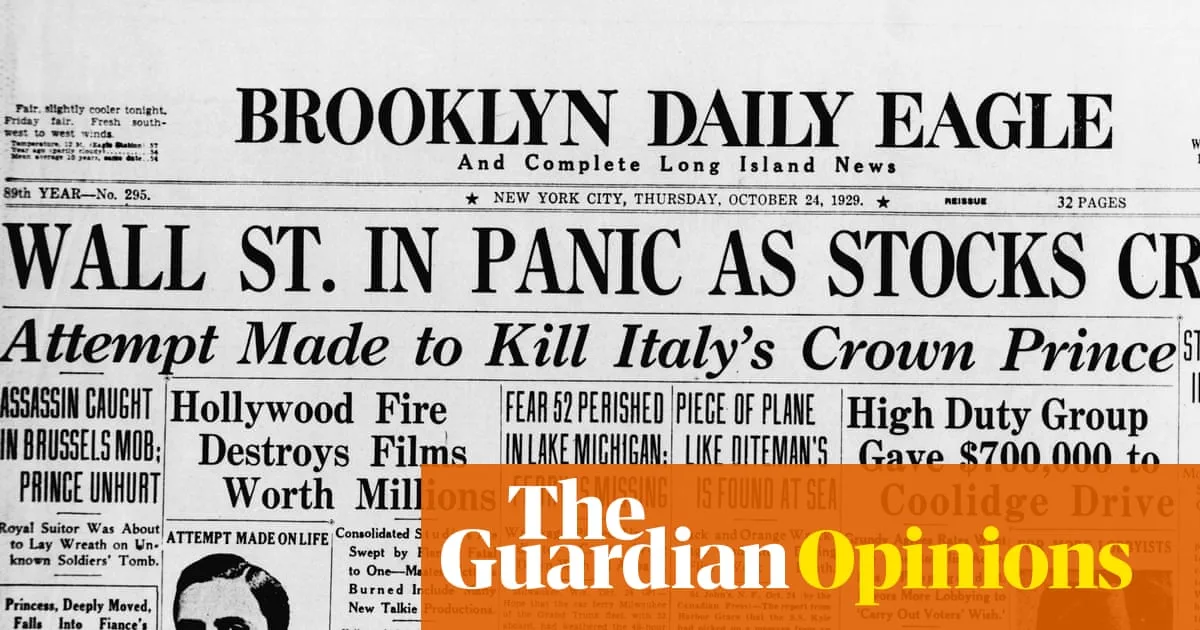
The spectre of the 1929 Wall Street crash looms large, a event that required two decades for stock markets to recover from a 90% loss in value. While economists like Nouriel Roubini predict a "Greater Depression" this decade, their credibility is sometimes questioned, highlighting the human tendency to seek reassurance in flawed logic. Yet, the US stock market's recovery to new highs five years after the 2008 crisis offers a glimmer of hope, suggesting that even brutal shocks can be overcome.

Conclusion: Between Paralysis and Persistence

Ultimately, the response to doomed times boils down to two paths: paralysis by fear or a determined continuation of daily life. As experts advise against rash actions during market volatility, and personal anecdotes underscore survival through past hardships, the message is clear. Whether facing war, economic depression, or interest rate hikes, the best strategy may be to hold steady, trusting that, in the end, it'll probably be fine—or at least, manageable. This balance of caution and courage defines our approach to an uncertain future, where the worst-case scenarios are tempered by historical resilience and pragmatic advice.

Pickt after-article banner — collaborative shopping lists app with family illustration