A new survey of more than 30,000 American adults reveals a shared concern: the rising cost of living is seen as a major barrier to a better life. When asked to describe what a better life would look like in three to five years, 60% of respondents said they wanted greater financial security.
Financial Security Defined
The survey, conducted by the McKinsey Institute for Economic Mobility and the WK Kellogg Foundation in mid-April, found that respondents often defined financial security as being able to afford basic necessities without worry. One 35-year-old respondent from Dearborn Heights, Michigan, said, “A better life for me and my family would look like being able to buy a home, and being able to afford all the basic necessities, rent, utilities, car, food, healthcare – as well as being able to have enough left over to save for the future for retirement and vacations.”
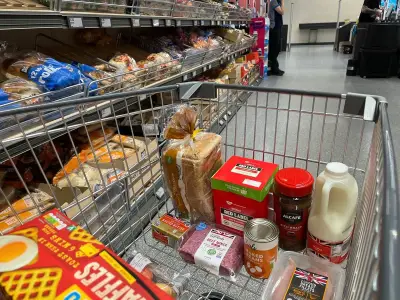
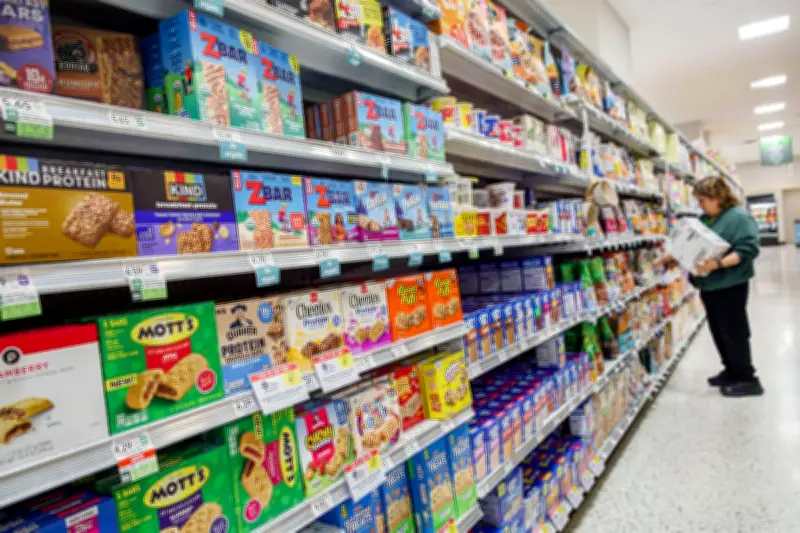
However, many Americans feel this goal is out of reach. Forty per cent of respondents described themselves as either “getting by but financially vulnerable” or “struggling to meet basic needs”. Groceries and food costs are causing particular distress, with 90% listing it as their top cost-of-living concern, followed by housing, transportation, and healthcare.
Everyday Struggles
A 49-year-old father in Philadelphia said success for him was not about extravagant living but being able to afford his child’s school field trips or help a family member struggling with bills. “I just want to be comfortable,” he said. The survey is the latest illustration of how rising living costs are a defining challenge for many Americans, with higher gas prices, growing electricity bills, and an unaffordable housing market adding to everyday frustrations.
This experience contrasts with other parts of the economy, such as record-high stock markets and rising AI investment. JP Julien, a partner at McKinsey involved in the research, noted during a news briefing, “While we spend a lot of time discussing some of these macroeconomic indicators – from the jobs report, to quarterly GDP growth, to what’s happening with interest rates – they alone can’t help us understand how people are actually experiencing the economy in their day-to-day lives.”
Diverging Views on Solutions
While Americans largely agreed that affordability was a key barrier, they differed on what needs improvement. Rural respondents were likely to say they needed better jobs and career pathways, while urban respondents wanted more affordable housing and improved safety. A majority (60%) said local, state, and federal government was responsible for helping people get ahead – 20% more than other institutions like faith organizations, banks, non-profits, and schooling systems. But only 30% reported that government institutions have been helpful, with respondents ranking friends and family as the top group helping them get ahead, followed by employers.
Community connectedness was a key indicator of outlook. Respondents who felt strongly connected to their communities were more than twice as likely to say they were in control of their lives and future and nearly four times as likely to say their lives had “momentum”. Only one-third of respondents, however, reported feeling this strong sense of community. A 61-year-old respondent from Los Angeles said, “We’re not too connected with our community and neighborhood. There are a few people that we know, but for the most part, most people keep to themselves.”