

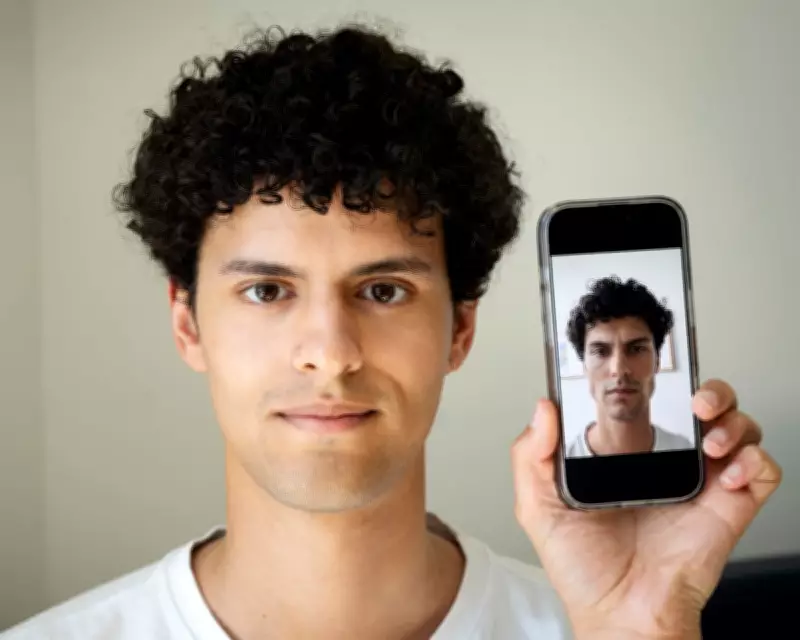
Plastic surgeons are increasingly concerned about the rise of 'AI face', as more clients arrive with unrealistic AI-generated visions of their desired appearance. Dr Nora Nugent, a cosmetic surgeon from Tunbridge Wells and president of the British Association of Aesthetic Plastic Surgeons, has observed clients bringing AI-beautified photos and expecting those results through surgery. 'I can only predict an increase, given the rate AI has been incorporated into every aspect of life,' she said.
The Unattainable Standards of AI
Clients using AI chatbots to generate ideal faces often request flawless skin, sharp cheekbones, refined noses, and near-perfect symmetry. However, these standards are often time-consuming, prohibitively expensive, and physically unattainable. Dr Alex Karidis, a surgeon based in west London, explained that while AI controls every pixel, 'surgery certainly doesn’t work on that microscopic detailed level.'
Psychological Impact of AI Images
For many clients, expectations are shaped long before meeting a surgeon. Nugent noted, 'Once you see an image, it’s wired into you.' Karidis agreed, describing AI images as 'seared' into patients' minds, and said colleagues have been inundated with them. Surgeons emphasise that cosmetic surgery outcomes are not guaranteed. 'The patient has to understand that there is human variation in how they heal, how they age and what can be done,' Nugent said. 'Neither of us control everything.'

AI Recommendations Put to the Test
To understand the phenomenon, an AI agent was asked to recommend cosmetic procedures for a journalist. As increasingly dramatic alterations were requested, the agent eventually warned about feasibility. However, Karidis noted that clients often fixate on images and ignore warnings. Surgeons have noticed consistencies in 'AI face', particularly hyper-symmetry, which is often impossible to recreate. Dr Julian de Silva, a Harley Street surgeon, explained that altering eye level, for example, is impossible because 'that’s actually set in bone, and your brain sits behind the orbits.'
AI-Generated Surgery Results on Social Media
De Silva also expressed concern about clinicians sharing surgery results on social media that appear astonishingly effective but may be AI-generated. He recalled a video where a patient seemed 30 years younger, but on closer inspection, 'the hands had six fingers.'
Case Study: AI Recommendations for a Journalist
After generating beautified versions of himself, the journalist asked Karidis to review AI recommendations. The chatbot suggested a rhinoplasty, septoplasty, and blepharoplasty, which Karidis estimated would cost about £25,000. When asked for 'hunter eyes and a more masculine face', the chatbot recommended chin implants, buccal fat removal, and other procedures. Karidis deemed this 'silly', noting the chin implant unnecessary and buccal fat removal potentially problematic as the face naturally becomes gaunt with age. He estimated the full list would cost over £100,000 and still not match the AI image, with significant side-effects and recovery. Further requests for a 'chad' look led to recommendations for a neck lift, brow lift, implants, and laser resurfacing. Karidis criticised the results, saying 'it looks like chunks of tissue have been removed' and that the original complexion was better.






