Climate and retail experts have warned that a 'super' El Nino brewing in the Pacific could trigger a new cost of living crisis, sending prices of everyday essentials rocketing in British shops. The UN's World Meteorological Organization (WMO) announced on Thursday that the disruptive weather phenomenon is 'developing' and set to 'strengthen rapidly' over the coming months, increasing the likelihood of extreme events including heatwaves, droughts, and severe flooding globally.
What is El Nino and Why Does It Matter for the UK?
An El Nino occurs when surface water temperatures in the central and eastern Pacific Ocean become unusually warm, disrupting global ocean currents and atmospheric circulation. This year's event shows signs of being 'particularly strong,' according to Gareth Redmond-King from the Energy and Climate Intelligence Unit (ECIU), who told the Mirror it adds to the current 'polycrisis' of climate change, economic uncertainty, and global conflict.
The UK is especially vulnerable because it imports about two-fifths of its food, Redmond-King noted. Totally self-sufficient nations are 'very rare' in the 21st century, and Britain relies heavily on overseas supplies. Last year, the most vulnerable nations—already affected by climate change—provided £8.9 billion of the UK's food imports.
Rice and Grains at Risk
El Nino can cause dramatic swings between extreme dry weather and heavy rainfall, disrupting key harvests for staple foods. Redmond-King highlighted rice as a particular concern, as key export regions India and Pakistan are 'likely to be much, much drier under El Niño.' He recalled that during the last major El Nino in 2023, global shortages drove up prices and India limited exports, which impacted UK imports that now cost more.
Fruit and Vegetables Face Price Hikes
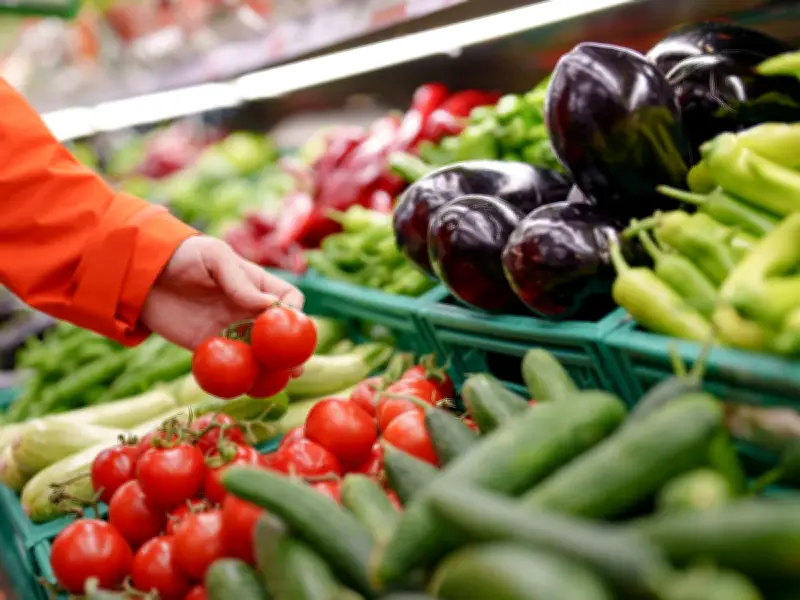
Prices could also rise for fruit and vegetables. Karen Green, a former retail buyer for Tesco and Boots, explained: 'Countries like Morocco may experience drought—which could impact our imports of tomatoes, peppers—whereas Kenya is more likely to have floods, disrupting supply and causing possible crop failure for green beans and peas.' Tropical fruits such as citrus and bananas are also vulnerable as they must be imported.
Coffee Under Threat
Your morning coffee could become more expensive. Redmond-King said: 'We import most of our coffee from Brazil. The El Nino tends to add heat and moisture into the weather systems over South America—and coffee, as with any other plant, doesn't do well with heat outside its ideal growing range.' Brazil has already seen serious flooding due to climate change, compounded by El Nino's heavier rains. Vietnam, the second biggest coffee exporter to the UK, is also likely to be hit by drier, hotter weather.
Fish Stocks Impacted
Peru is already reporting an 'El Nino effect' on its vital anchovy stocks in the Pacific. Unusually warm ocean waters have disrupted cold, nutrient-rich areas, forcing fish to dive deeper. Juvenile anchovies struggle to survive this descent, sparking fears for the population. Officials have set this year's fishing limits at one million tonnes less than last year as a 'precautionary approach.'
Energy Bills Could Rise
El Nino heatwaves can trigger massive spikes in global electricity demand for refrigeration, air conditioning, and irrigation. With the Strait of Hormuz crisis and Russia-Ukraine war already pushing UK electricity prices about 50% to 70% higher than pre-pandemic levels, Redmond-King described the addition of El Nino as 'perfect storm territory.' He said: 'We've got climate change intensifying... we've got the second fossil fuel crisis in five years... and along comes El Nino—and seemingly not just a run-of-the-mill El Nino.'
Chocolate Prices Likely to Climb
El Nino historically brings volatile weather to West Africa, the world's primary cocoa producer. Cocoa prices have already risen by roughly 50% to 100% in the past five years due to failed harvests in Ivory Coast and Ghana from droughts, irregular rainfall, and plant diseases. An El Nino year dramatically increases the chance of extreme weather events. However, some price rises may appear towards the end of the year rather than immediately. Green explained: 'For commodities like coffee, cocoa and rice, prices are often agreed months in advance... it is likely to be next year before it hits the retail prices. But hit it will—and then we will be seeing the same old headlines about shrinkflation and UK produce shortages.'