

Strait of Hormuz Closure Threatens UK Finances as Fuel and Energy Costs Soar
Prime Minister Sir Keir Starmer's official spokesman has emphasised the urgent need to reopen the Strait of Hormuz, a critical international shipping route, warning of significant financial repercussions for British households. The closure, linked to escalating tensions in the Middle East, has already triggered a surge in global oil and gas prices, with direct impacts on everyday expenses.
Immediate Impact on Fuel and Energy
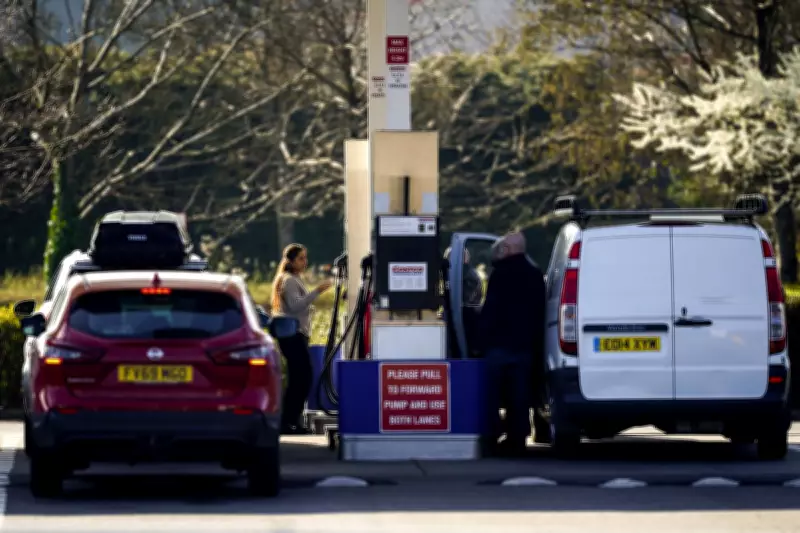
The disruption to the Strait, which handles about one-fifth of the world's oil supplies, has caused crude oil and natural gas prices to spike. This has quickly filtered through to petrol pumps, with unleaded petrol rising by 14p per litre and diesel by 29p per litre since late February. Simon Williams of the RAC cautioned that drivers face a "rough ride" with no end to price increases in sight.
Household energy bills are also set to rise, with Ofgem's next price cap in July forecast to increase by £332 to £1,973 annually for typical dual fuel homes. The Bank of England has warned that even a short-lived conflict could keep energy prices elevated, pushing UK inflation higher through 2026.

Broader Economic Consequences
The financial fallout extends beyond fuel and energy. Key areas affected include:
- Heating Oil: Around 1.5 million UK households, primarily in Northern Ireland, face sudden price increases, prompting a £50 million government aid package.
- Fertiliser and Food Prices: Disruptions to Middle Eastern fertiliser production could drive up costs for staples like bread, cereals, and meat, threatening food supply stability.
- Shop Prices: Rising shipping costs and supply chain delays may impact fashion, electronics, and homeware, with manufacturers passing on higher energy costs to consumers.
- Luxury Goods: Items such as perfume and Dubai chocolate could become scarcer or more expensive due to reliance on Middle Eastern ingredients.
Financial Markets and Borrowing Costs
The crisis has altered the trajectory for UK interest rates, with the Bank of England holding rates at 3.75% and governor Andrew Bailey hinting at possible hikes instead of cuts. This has led to mortgage rate increases and product withdrawals, affecting homeowners.
Investors are facing heightened market volatility, with experts advising diversification to navigate uncertainty. Tom Stevenson of Fidelity International noted that holding a spread of investments can provide a smoother ride over the long term.
The situation remains fluid, with US President Donald Trump delaying military strikes on Iranian energy sites, suggesting the Strait may stay closed longer. As global supply chains strain, the financial implications for UK consumers are set to deepen, underscoring the urgency of reopening this vital maritime route.






